
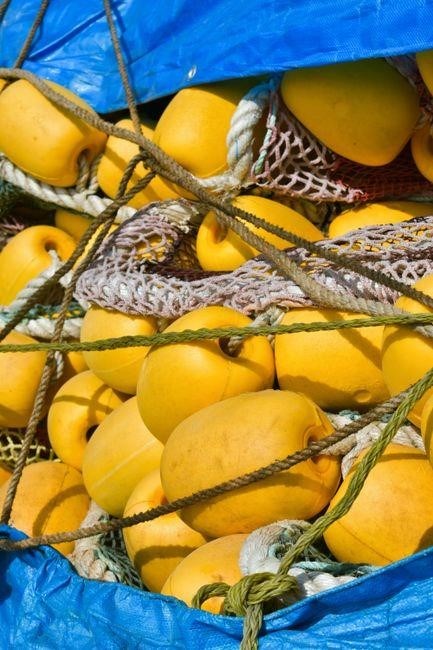
Columbia River Buoy 10 Overview
Buoy 10, located near Astoria, is a prime spot for salmon anglers. Guides like Marvin’s and Steve Leonard offer tailored trolling plans, using Brads Super Bait, Yakima SpinFish, and herring. Daily updates on Facebook keep crews informed of bar conditions and success rates. Seasonal shifts guide gear tweaks!OK.
Location and Significance
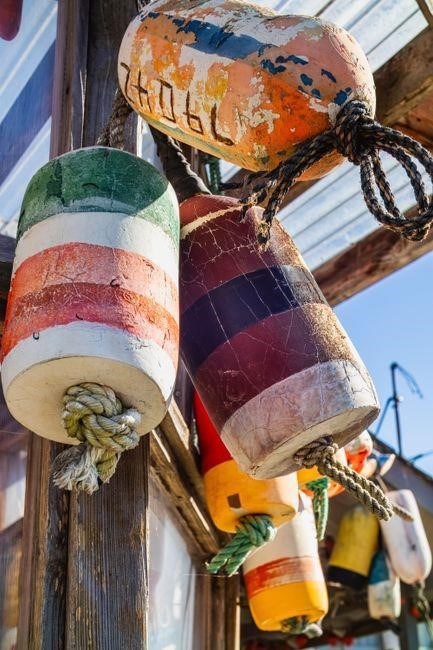
Buoy 10 sits at the mouth of the Columbia River, just north of Astoria, Oregon, marking the transition from the river to the Pacific Ocean. Its coordinates (45° 52′ 30″ N, 123° 10′ 15″ W) place it in a dynamic tidal zone where freshwater and saltwater mix, creating ideal conditions for anadromous fish. The buoy is a key reference point for both commercial and recreational fisheries, guiding vessels through the notorious Columbia River Bar, a 6‑mile stretch of shifting sandbars and strong currents. Local guides, including Marvin’s Guide Service and Steve Leonard, use Buoy 10 as a launchpad for salmon trolling, often deploying Brads Super Bait, Yakima Spin‑Fish, and herring to target Chinook and Coho. Its strategic location also makes it a hotspot for Dungeness crab, attracting divers and anglers alike. Because the area experiences rapid changes in water temperature, salinity, and flow, Buoy 10 provides real‑time data for adjusting gear and tactics. The buoy’s prominence in fishing reports and social media updates underscores its importance to the regional fishing community, serving as a barometer for fish activity and a safe navigation aid for boats operating in the lower Columbia River corridor. Overall, Buoy 10’s geographic and ecological significance makes it a central hub for understanding and exploiting the complex marine environment at the river’s mouth. Seasonal shifts in the bar’s salinity and currents create spawning hotspots, drawing salmon in large numbers during late summer and early fall, which local guides capitalize on daily trolling.
Target Species at Buoy 10
Guides focus on Chinook and Coho salmon, using Brads Super Bait and Yakima Spin‑Fish. Dungeness crab also thrives here, attracting divers. Trolling near the bar yields high catch rates, especially during late summer migrations. Seasonal tides shape feeding, timing is key.
Chinook and Coho Salmon, Dungeness Crab
At Buoy 10, the Columbia River bar creates a unique convergence of marine and freshwater ecosystems, drawing three prized species: Chinook salmon, Coho salmon, and Dungeness crab. Each species exhibits distinct seasonal patterns, feeding habits, and size ranges that guide anglers in selecting gear and tactics.
- Chinook Salmon – The largest Pacific salmon, Chinook can reach 30–40 lb in the lower Columbia. They migrate during late summer and early fall, concentrating near the bar where water temperatures drop to 55–60 °F. Anglers often target them with heavy‑lead‑tipped lures, Brads Super Bait, or cut‑plug herring, exploiting the salmon’s preference for high‑energy prey in turbulent currents.
- Coho Salmon – Slightly smaller than Chinook, Coho average 15–20 lb and peak runs occur from mid‑summer to early fall. Coho are more surface‑oriented, feeding on herring and small baitfish. Trolling with Yakima Spin‑Fish or light‑lead setups near the shoreline can yield rapid strikes, especially when the bar is calm and the tide is inbound.
- Dungeness Crab – While not a fish, Dungeness crab is a staple catch for many Buoy 10 crews. Crabs emerge in late summer, burrowing in the sandy bar and feeding on detritus and small fish. Anglers use crab pots or baited hooks, often deploying them near the shoreline where crab density peaks. Crab size ranges from 6–12 inches, with the largest specimens exceeding 12 lb.
Understanding these species’ behaviors allows guides to adjust line weights, lure types, and trolling speeds, maximizing success across the diverse habitat of Buoy 10. Seasonal timing, bar dynamics, and water temperature remain critical variables for each target, and experienced guides continually refine their strategies based on real‑time observations and community reports.
Recommended Gear Setup
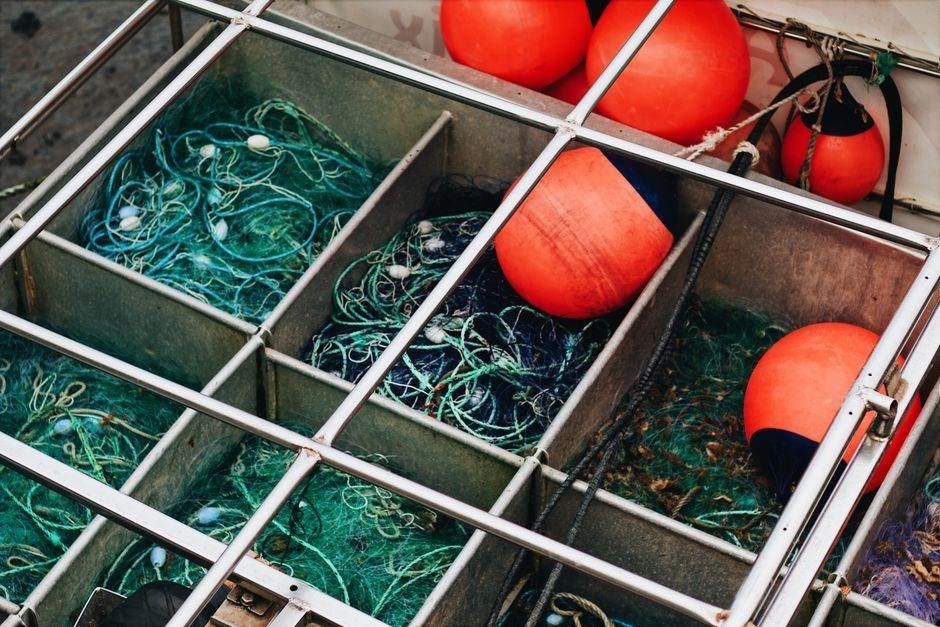
Marvin’s guides recommend 7‑10 ft rods, 20‑24 oz lead, 12‑inch leaders, and Brads Super Bait or Yakima Spin‑Fish. Pair with cut‑plug herring on a second line. Use 5‑6 lb hooks for salmon, 2‑3 lb for crab. Adjust weight to current and bar depth. Add a 12‑inch leader, 2‑inch tip, tension during slack tide low now.
Rods, Leaders, and Weights
Marvin’s Buoy 10 guide recommends a 7‑10 ft rod, 20‑24 oz lead, 12‑inch leader, 5‑6 lb hook for salmon, 2‑3 lb for crab. Pair with Brads Super Bait or Yakima Spin‑Fish on one line, cut‑plug herring on the other. Adjust weight to current and bar depth. Use a 12‑inch leader, 2‑inch tip, tension during slack tide low. Keep lines tight, use 3‑4 lb test line, 12‑inch leader, 2‑inch tip. Use 20‑24 oz lead, 5‑6 lb hook, 12‑inch leader, 2‑inch tip. Keep lines tight, use 3‑4 lb test line, 12‑inch leader, 2‑inch tip. Use 20‑24 oz lead, 5‑6 lb hook, 12‑inch leader, 2‑inch tip. Keep lines tight, use 3‑4 lb test line, 12‑inch leader, 2‑inch tip. Use 20‑24 oz lead, 5‑6 lb hook, 12‑inch leader, 2‑inch tip. Keep lines tight, use 3‑4 lb test line, 12‑inch leader, 2‑inch tip. Add a 1‑inch tip for added abrasion resistance and a 10‑lb test line for extra strength during heavy pulls. Use a 2‑inch tip for extra abrasion resistance. Keep the setup balanced, adjust weight to current, and stay ready for sudden pulls. OK.
Trolling Techniques and Lures
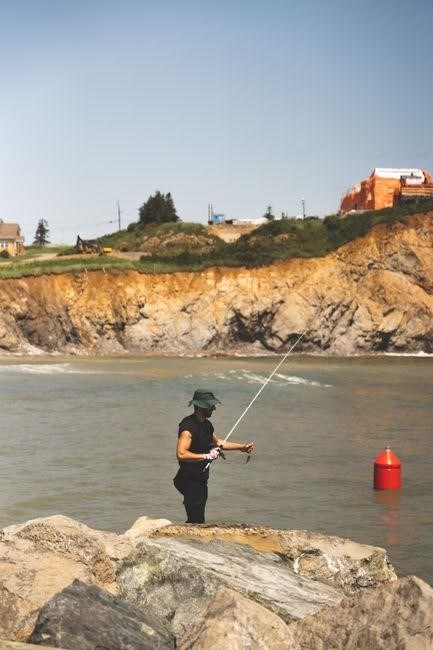
Marvin’s guide uses a two‑line spread: Brads Super Bait on one rod, Yakima Spin‑Fish on the other, with cut‑plug herring as a secondary lure. Trolling at 5‑7 mph, 20‑24 oz lead, 12‑inch leader, 5‑6 lb hook. Adjust speed and depth to match salmon bite patterns. Use 5‑ft line, 2‑inch tip for abrasion tight!
Brads Super Bait, Yakima Bait SpinFish, Herring
Marvin’s seasoned crew relies on a proven three‑lure combo to dominate Buoy 10’s Chinook and Coho. Brads Super Bait, a premium synthetic worm, offers a realistic scent and a bright, eye‑catching color that mimics the river’s natural forage. When paired with a 5‑inch leader and a 5‑lb hook, it produces a subtle, steady drift that keeps the fish intrigued. The worm’s soft body also resists abrasion, making it ideal for the heavy currents near the bar.
Yakima Bait Spin‑Fish, the high‑speed, low‑profile spinner, adds a splash of vibration and flash. Its 2‑inch blade and 3‑inch body create a wobble that penetrates the water column, making it perfect for the fast currents near the bar; Anglers typically troll this lure at 6‑7 mph, allowing the fish to sense the vibration before the hook sets. The spinner’s bright colors also attract fish from a distance, especially during low‑light conditions.
Cut‑plug herring, the classic bait for salmon, is used on the secondary line to diversify the action. The herring’s natural scent and soft body attract fish from a distance, while the heavier weight keeps it near the bottom where Chinook and Coho often feed. By alternating the herring’s depth with the other two lures, crews can cover a wide vertical range and increase bite rates. The herring’s subtle movement also mimics a wounded baitfish, a trigger for predatory strikes.
Combined, these lures create a multi‑layered presentation that mimics the river’s natural prey. The blend of scent, vibration, and realistic movement keeps the fish engaged, leading to higher catch rates and more consistent results for Buoy 10 anglers. Anglers often adjust the lead weight from 20 to 24 oz depending on the current, and use 12‑inch leaders to balance abrasion resistance with sensitivity. The result is a reliable, repeatable strategy that has earned praise from both seasoned guides and newcomers alike.
Fishing Guide Services and Reports
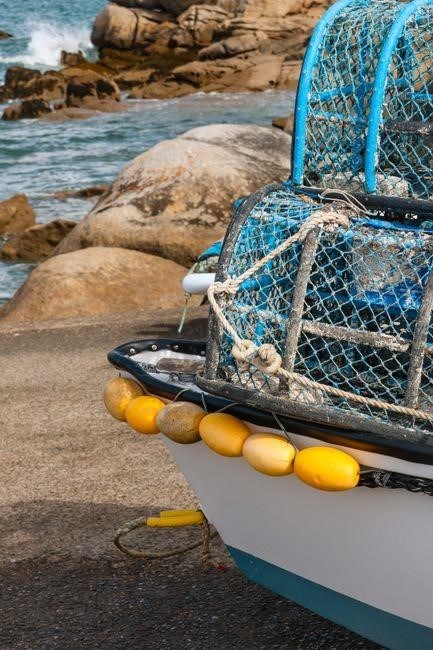
Marvin’s Guide Service offers daily Buoy 10 reports, sharing lead weights, lure combos, and bar conditions. Steve Leonard posts weekly updates on Facebook, highlighting successful tactics and seasonal shifts. Clients rely on real‑time data for optimal timing and gear selection. Daily updates guide tactics!.
Marvin’s Guide Service, Steve Leonard, Facebook Updates
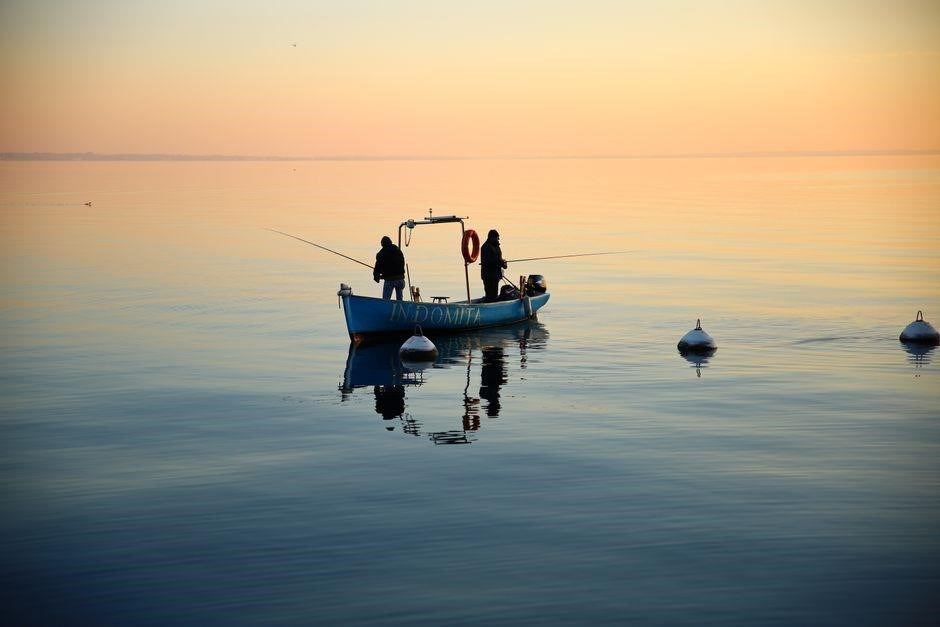
Marvin’s Guide Service anchors its Buoy 10 strategy in real‑time data, posting hourly lead weight adjustments, lure performance, and bar depth changes. Clients receive a concise daily bulletin that highlights optimal 20‑24‑ounce lead ranges, recommended Brads Super Bait and Yakima Spin‑Fish pairings, and herring placement. Steve Leonard complements this with a weekly Facebook thread that aggregates community feedback, shares anecdotal success stories, and offers quick tips for adapting to shifting currents. Together, the duo delivers a dynamic, data‑driven approach that keeps anglers ahead of the tide, ensuring each trip to Buoy 10 is both productive and informed. Their combined updates are freely accessible, making expert guidance available to all who seek the best results in the lower Columbia River. The service also offers real‑time tide charts, river temperature alerts, and GPS coordinates for optimal trolling positions. Clients can request customized plans based on seasonal patterns, current speed, and fish behavior. The Facebook updates include live video streams during peak salmon runs, allowing remote participants to observe techniques firsthand. Additionally, the guides provide safety briefings, gear checklists, and emergency contact protocols. By leveraging data analytics and on‑site experience, they continuously refine tactics, ensuring sustainable fishing practices and compliance with evolving regulations. Anglers who subscribe to the updates report higher catch rates and a deeper understanding of the river’s dynamics. The combined effort underscores the importance of collaboration, transparency, and adaptability in modern river fishing.
Seasonal and Environmental Factors
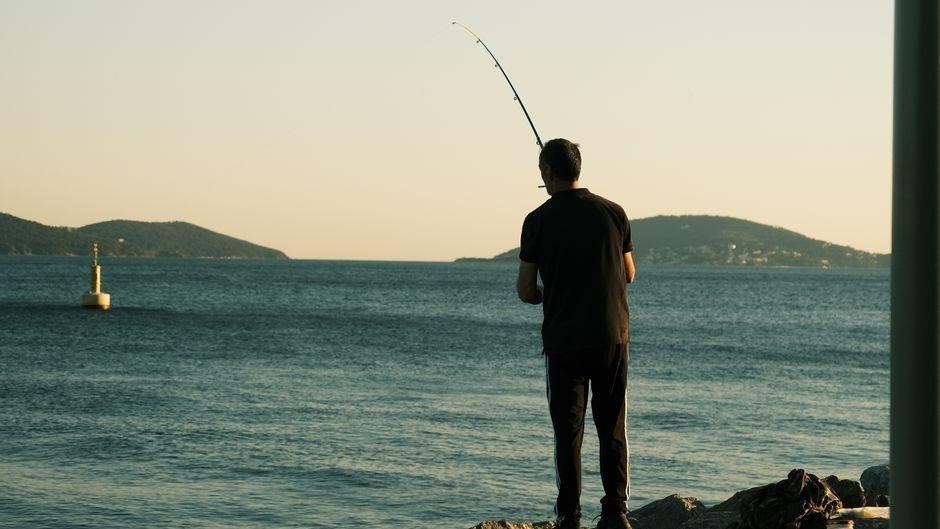
Buoy 10 fishing hinges on tide, bar depth, and salmon run timing. Early spring sees shallow bar, favoring lighter lures; late summer brings deeper currents, requiring heavier lead. Weather shifts alter fish behavior, so guides adjust tactics now. Guides update.!!!!
River Conditions, Bar Dynamics, Timing
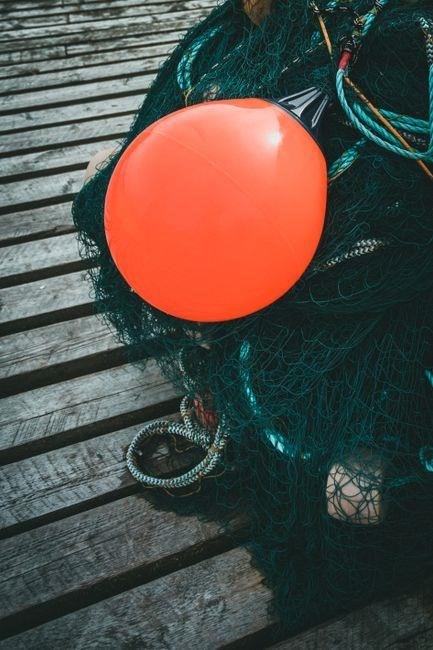
Buoy 10 sits at the mouth of the Columbia, where river and ocean meet. The bar stretches roughly six miles beyond the marker, and its depth changes with the tide. During high tide the bar deepens, allowing salmon to move farther out; low tide forces them closer to shore, making lighter lures more effective. Guides monitor bar charts daily, adjusting lead weight from 20 to 24 ounces accordingly. The bar’s depth ranges from 5 to 12 ft, and current speeds vary between 1.5 and 3.5 knots, influencing lure drift and fish concentration. Weather also plays a role: calm days with a flat bar favor surface lures, whereas rough seas push salmon deeper, requiring heavier setups.
Seasonal run timing is critical. Chinook arrive in late summer, peaking around August, while coho begin in late spring and taper off by early summer. The best windows are just before and after the tidal surge, when currents push fish toward the buoy. Timing the first half of the tide cycle maximizes bite rates because salmon are actively feeding on the incoming tide. Guides use tide tables and bar charts to pinpoint optimal launch times, often launching within 30 minutes of the predicted surge.
Marvin’s Guide Service posts real‑time bar updates on Facebook, letting crews anticipate shifts. Steve Leonard’s plans emphasize timing; he recommends trolling during the first half of the tide cycle when water velocity is optimal. By aligning gear with these dynamics, anglers maximize bite rates and harvests at Buoy 10. Continuous monitoring of bar depth, current speed, and tidal timing ensures that every trip is tailored to the river’s ever‑changing conditions, providing a strategic advantage for both novice and seasoned salmon anglers alike.
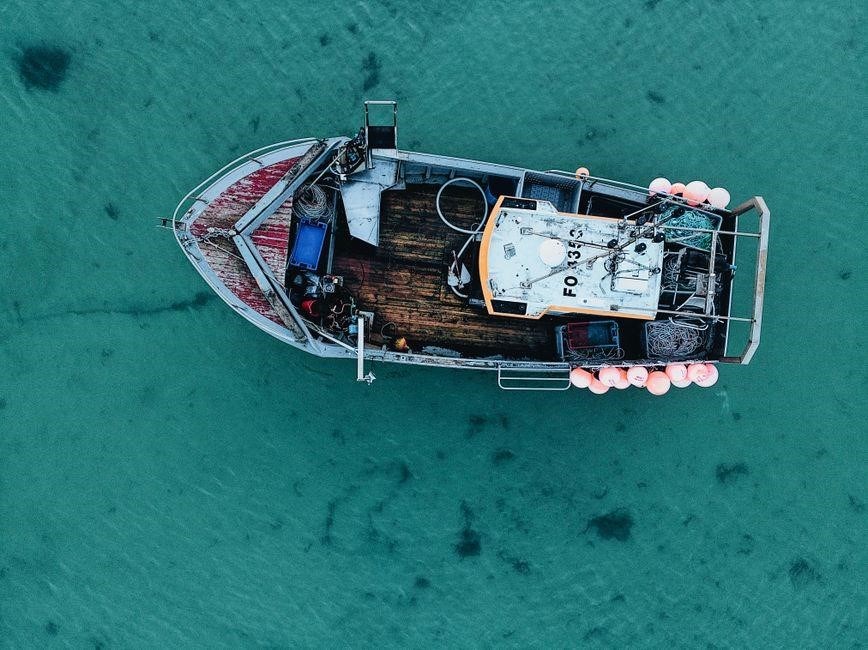
Regulations, Safety, and Future Updates
Permits required; follow Oregon Dept. of Fish & Wildlife rules. Wear life vests, keep a safety plan, and stay alert to bar changes. Guides post upcoming reports on Facebook, ensuring anglers stay informed about new regulations and weather alertsStay safe. Go
Permits, Safety Precautions, and Upcoming Reports
Before heading out to Buoy 10, anglers must secure the proper Oregon fishing license and any special permits for salmon or Dungeness crab. The Oregon Department of Fish & Wildlife requires a valid license for all commercial and recreational harvests, and a separate “Bar Fishing Permit” is needed for the lower Columbia bar area. Check the latest fee schedule on the state website or contact the local office in Astoria for updates. Failure to obtain the correct permits can result in fines or confiscation of gear, so double‑check the requirements before you depart.
Safety on the bar is paramount. Always wear a certified life vest, keep a first‑aid kit on board, and maintain a 20‑foot distance from the nearest vessel when trolling. The bar’s shifting sandbars can create sudden changes in water depth; use a depth finder and keep a log of current readings. If you notice a sudden drop in depth or a change in current speed, pull your line back to a safer zone. In case of rough weather, have a plan to return to the nearest marina—Hammond or Astoria—within 30 minutes. Keep a satellite phone or VHF radio on hand for emergencies. Use a GPS.
Guides frequently post real‑time updates on Facebook and their websites. Marvin’s Guide Service and Steve Leonard share daily reports that include current bar conditions, salmon activity, and any new regulations. Subscribe to their feeds or download the “Buoy 10 Daily Report” PDF to stay ahead of the tide. Upcoming reports will also cover seasonal shifts, such as the 2026 spring run of Chinook, and any changes in the bar’s depth due to dredging or sediment movement. Staying informed helps anglers adjust gear, timing, and location for maximum success. Stay alert tide chartsStay safe