
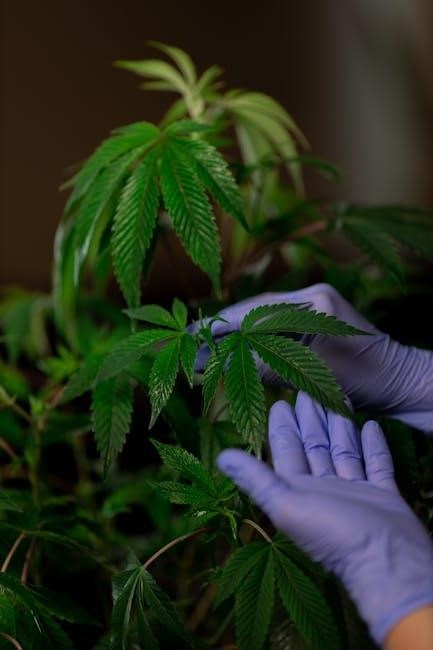
Cannabis Nutrient Guide: A Comprehensive Overview (Updated 03/30/2026)
This guide details essential cannabis nutrients, deficiency identification, and correction strategies for optimal growth throughout all stages, ensuring a bountiful and high-quality harvest.
Cannabis plants, like all living organisms, require a balanced diet of nutrients to thrive. These nutrients are absorbed from the growing medium – whether soil, hydroponic solution, or coco coir – and are fundamental for processes like photosynthesis, protein synthesis, and overall plant development. Understanding these nutritional needs is paramount for cultivators aiming for robust growth, maximized yields, and potent flower production.
Nutrients are broadly categorized into macronutrients, secondary macronutrients, and micronutrients, each playing a distinct role. Deficiencies or excesses in any of these can manifest as visible symptoms on the plant, impacting its health and productivity. Recognizing these signs early is crucial for timely intervention; Adjusting nutrient ratios based on the plant’s growth stage – vegetative or flowering – is also vital for optimal results, as demands change significantly throughout the lifecycle.
Why Nutrient Management is Crucial
Effective nutrient management is the cornerstone of successful cannabis cultivation. Failing to provide the correct balance of nutrients can severely limit growth potential, reduce yields, and compromise the quality of the final product. Early deficiencies, like nitrogen shortage during vegetative growth, can stunt development and impact flowering. Conversely, nutrient toxicities can be equally detrimental, causing burn and lockout.
Precise control allows cultivators to maximize genetic expression, ensuring plants reach their full potential. Monitoring nutrient uptake and adjusting solutions proactively prevents deficiencies and toxicities. This proactive approach leads to healthier plants, increased resin production, and ultimately, a more rewarding harvest. Ignoring nutrient needs results in stressed plants, vulnerable to pests and diseases.
Macronutrients for Cannabis
Cannabis requires substantial amounts of macronutrients – Nitrogen (N), Phosphorus (P), and Potassium (K) – for robust growth. These elements are the building blocks of plant life, playing critical roles in various physiological processes. Nitrogen is vital for vegetative growth, fueling leaf and stem development. Phosphorus supports root formation, flowering, and energy transfer. Potassium regulates water uptake, nutrient transport, and overall plant health.
Maintaining the correct NPK ratio is essential, varying based on the growth stage. Deficiencies in any of these macronutrients manifest as distinct visual symptoms, impacting yield and quality. Understanding their individual roles and recognizing deficiency signs is paramount for successful cultivation.
Nitrogen (N): Role and Deficiency Symptoms
Nitrogen is a cornerstone of plant growth, crucial for chlorophyll production, amino acid synthesis, and overall vegetative vigor. It’s a primary component of proteins, enabling rapid leaf and stem development. During the vegetative stage, cannabis plants exhibit a high nitrogen demand. A nitrogen deficiency typically manifests as general yellowing, starting with older, lower leaves.
This yellowing progresses upwards as the deficiency worsens. Leaves may also become stunted and exhibit a faded green color. Correcting a nitrogen deficiency involves supplementing with a nitrogen-rich fertilizer, but careful monitoring is vital to avoid overfeeding.
Phosphorus (P): Role and Deficiency Symptoms
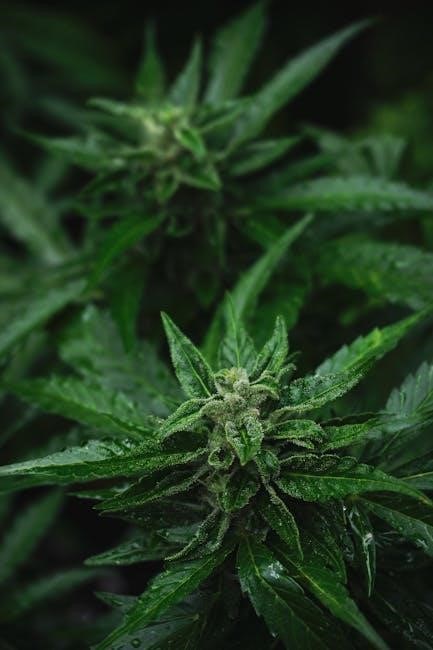
Phosphorus plays a vital role in energy transfer, root development, and flowering. It’s essential for the formation of DNA and RNA, impacting overall plant health and reproductive success. A phosphorus deficiency often presents as dark green leaves with reddish or purple hues, particularly on the undersides and stems. This discoloration stems from phosphorus’s influence on sugar transport within the plant.
Stunted growth and delayed flowering are also common indicators. Addressing a phosphorus deficiency requires a phosphorus-rich amendment, but maintaining proper pH levels is crucial for optimal absorption. Severe deficiencies can significantly reduce yield.
Potassium (K): Role and Deficiency Symptoms
Potassium is crucial for regulating water balance, nutrient uptake, and enzyme activation within the cannabis plant. It strengthens stems, enhances bud development, and improves overall plant vigor. A potassium deficiency typically manifests as yellowing or browning along leaf edges, starting with older growth. These edges may also appear scorched or crispy.
Interveinal chlorosis, yellowing between the veins, can also occur. Potassium deficiencies can weaken plants, making them more susceptible to pests and diseases. Correcting this involves supplementing with a potassium-rich nutrient solution, while ensuring proper pH for efficient uptake.
Secondary Macronutrients
While required in smaller quantities than primary macronutrients, secondary macronutrients – calcium, magnesium, and sulfur – are vital for robust cannabis growth. Calcium (Ca) is essential for cell wall development and nutrient absorption, deficiency showing as blossom-end rot or stunted growth. Magnesium (Mg) is a core component of chlorophyll, impacting photosynthesis; deficiency causes interveinal chlorosis on older leaves.
Sulfur (S) plays a role in protein synthesis and enzyme activation. Its deficiency resembles nitrogen deficiency, with general yellowing, but affects younger leaves first. Maintaining a balance of these secondary nutrients ensures optimal plant health and maximizes yield potential.
Calcium (Ca): Role and Deficiency Symptoms
Calcium is a crucial secondary macronutrient, playing a vital role in cell wall structure, cell membrane permeability, and nutrient uptake. It’s essential for healthy root development and overall plant vigor. A calcium deficiency often manifests as stunted growth, particularly in younger leaves and root tips. Blossom-end rot, a common issue in flowering plants, is a clear sign of calcium imbalance.
Leaf tips may appear burnt or clawed, and new growth can be distorted. Addressing calcium deficiencies promptly is critical, as it directly impacts the plant’s ability to transport nutrients effectively.
Magnesium (Mg): Role and Deficiency Symptoms
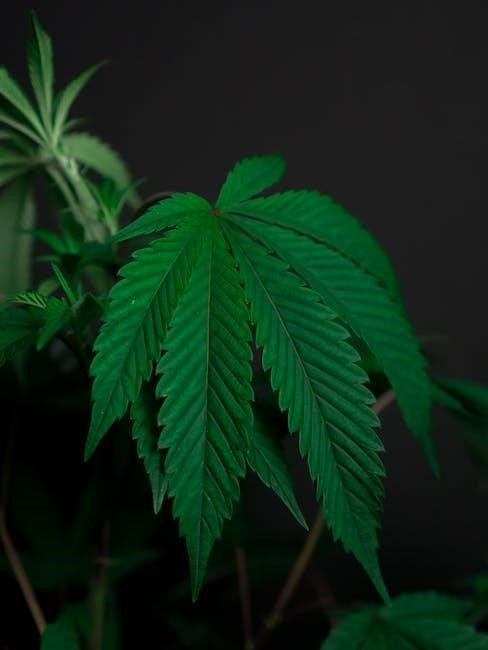
Magnesium is the central atom in chlorophyll, making it indispensable for photosynthesis and, consequently, energy production within the cannabis plant. A magnesium deficiency typically begins with interveinal chlorosis – yellowing between the leaf veins – on older leaves, while the veins themselves remain green. This symptom progresses upwards as the deficiency worsens.
Leaves may become brittle and develop rusty or bronze spots. Magnesium deficiencies can significantly reduce yields and overall plant health. Correcting this issue quickly is vital for restoring photosynthetic efficiency and promoting robust growth.
Sulfur (S): Role and Deficiency Symptoms
Sulfur is a crucial component of amino acids, proteins, and vitamins, playing a vital role in chlorophyll formation and enzyme activation within the cannabis plant; A sulfur deficiency often manifests as a general yellowing of younger leaves, differing from magnesium deficiency which starts on older growth. Leaves may become stiff and brittle, and growth can become stunted.
Unlike some deficiencies, sulfur deficiency doesn’t always present with distinct interveinal chlorosis. Addressing a sulfur deficiency promptly is essential for maintaining protein synthesis and overall plant vigor, ultimately impacting yield and quality.
Micronutrients – Essential in Small Doses
While required in smaller quantities than macronutrients, micronutrients are absolutely vital for numerous plant processes within cannabis. These include enzyme function, chlorophyll synthesis, and overall metabolic activity. Deficiencies, even slight ones, can severely impact growth and yield. Key micronutrients include iron, manganese, zinc, boron, copper, and molybdenum.
Identifying micronutrient deficiencies can be challenging, often presenting with subtle symptoms. Careful observation and understanding of each nutrient’s role are crucial. Maintaining proper pH levels is also essential, as pH fluctuations significantly affect micronutrient availability and uptake by the plant’s root system.
Iron (Fe): Role and Deficiency Symptoms
Iron is critical for chlorophyll production, enabling photosynthesis and contributing to the vibrant green color of healthy cannabis plants. It also plays a role in enzyme systems and energy transfer within the plant. Iron deficiency, often manifesting in higher pH conditions, typically begins with interveinal chlorosis – yellowing between the leaf veins – on newer growth.
Initially, younger leaves exhibit paling, progressing to complete yellowing if the deficiency isn’t addressed. Severe deficiencies can cause leaves to become almost entirely white, with necrotic spots developing. Addressing iron deficiencies involves adjusting pH and potentially supplementing with chelated iron for improved absorption.
Manganese (Mn): Role and Deficiency Symptoms
Manganese is a vital micronutrient involved in chlorophyll synthesis, photosynthesis, and nitrogen metabolism within cannabis plants. It also activates several important enzymes. Deficiency symptoms often resemble magnesium deficiency, making accurate diagnosis crucial. Typically, manganese deficiency presents as interveinal chlorosis on younger leaves, with small, yellowish spots appearing between the veins.
These spots can coalesce, leading to broader areas of yellowing. Unlike magnesium deficiency, manganese deficiency can also exhibit necrotic spots. Maintaining proper pH levels is essential for manganese uptake, as high pH can induce deficiencies. Foliar sprays containing manganese sulfate can provide a quick, temporary solution.
Zinc (Zn): Role and Deficiency Symptoms
Zinc plays a crucial role in enzyme systems, hormone regulation, and chlorophyll formation in cannabis plants. It’s essential for protein synthesis and internodal elongation. Zinc deficiency often manifests as small, distorted leaves, particularly on new growth. Interveinal chlorosis, similar to manganese deficiency, can also occur, but with a more mottled appearance.

A characteristic symptom is the development of “rosetting,” where leaves cluster tightly together. Zinc deficiencies are often exacerbated by high phosphorus levels in the growing medium. Foliar applications of zinc sulfate can quickly address deficiencies, but a long-term solution involves adjusting the nutrient solution to ensure adequate zinc availability.
Identifying Nutrient Deficiencies – Early Detection
Early detection of nutrient deficiencies is paramount for maintaining healthy cannabis plants and maximizing yields. Ignoring subtle signs can lead to stunted growth and reduced potency. Visual diagnosis, focusing on leaf symptoms, is the first step. Look for discoloration, spotting, or unusual leaf shapes. Comparing your plant to deficiency charts provides a valuable reference point.
Resources like online guides and grower forums offer detailed images and descriptions of various deficiencies. Remember that multiple deficiencies can occur simultaneously, complicating diagnosis. Consistent monitoring and a keen eye are crucial for proactive nutrient management and preventing significant plant stress.
Visual Diagnosis: Leaf Symptoms as Indicators
Leaf symptoms are often the first and most visible sign of nutrient deficiencies in cannabis. Yellowing, typically starting at the leaf tips or between veins, can indicate nitrogen or magnesium issues. Purple stems suggest phosphorus deficiencies, while spotting or necrosis may signal potassium or calcium problems. Curling leaves can stem from various imbalances.
Carefully observe the pattern of discoloration – is it uniform, mottled, or localized? Note which leaves are affected – older leaves often show deficiencies first. Remember that environmental factors can mimic deficiency symptoms, so consider all variables. Accurate observation combined with reference charts is key.
Using Deficiency Charts & Resources
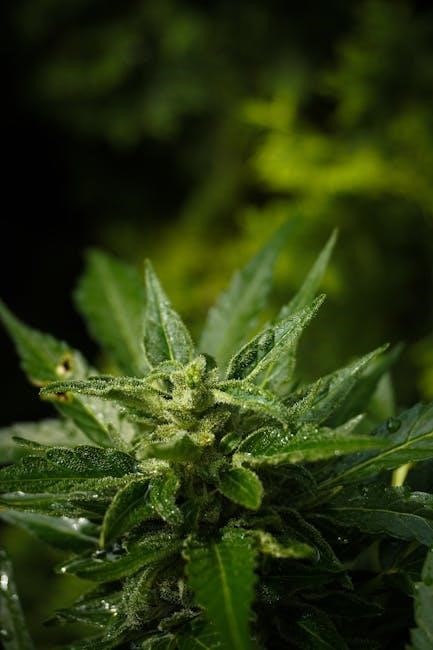
Deficiency charts are invaluable tools for cannabis growers, visually illustrating symptoms associated with specific nutrient imbalances. These charts, readily available online (like those found on Reddit’s r/microgrowery), compare healthy leaves to those exhibiting deficiencies, aiding in accurate diagnosis.
However, charts should be used as a guide, not a definitive answer. Consider multiple resources and cross-reference symptoms. Websites like 42 Fast Buds offer comprehensive guides. Remember that symptom overlap exists, and environmental factors can complicate identification. Utilize foliar analysis data when available for confirmation and precise correction.
Nutrient Deficiencies by Growth Stage
Cannabis nutrient needs fluctuate dramatically between vegetative and flowering stages. During vegetative growth, nitrogen (N) is paramount for leaf and stem development; deficiencies manifest as yellowing lower leaves. In contrast, flowering demands increased phosphorus (P) and potassium (K) for bud formation.
Phosphorus deficiencies during flowering appear as reddish-purple discoloration on stems and leaves. Failing to adjust nutrient ratios can severely impact yields, as demonstrated by studies showing significant weight reductions with N and P deficiencies. Monitoring and adapting nutrient solutions based on the plant’s current stage is crucial for maximizing potential.
Vegetative Stage Nutrient Requirements
The vegetative stage prioritizes robust growth, demanding a nitrogen-rich nutrient profile. Cannabis plants require higher levels of nitrogen (N) during this phase to support leaf and stem development. A typical NPK ratio for vegetative growth is 3-1-2, emphasizing nitrogen’s importance.
However, adequate phosphorus (P) and potassium (K) are still essential for overall health and enzyme function. Insufficient nitrogen leads to noticeable yellowing, starting with older leaves. Early detection and correction are vital to prevent stunted growth and ensure a strong foundation for the flowering stage.
Flowering Stage Nutrient Requirements
Transitioning to the flowering stage necessitates a shift in nutrient ratios, prioritizing phosphorus and potassium. During this phase, cannabis plants require increased levels of phosphorus (P) to support bud development and potassium (K) for overall plant health and resin production. A common NPK ratio for flowering is 1-3-2, reflecting this change.
While nitrogen remains important, excessive amounts can hinder bud quality. Monitoring nutrient levels closely is crucial, as deficiencies can significantly reduce yield. Adjusting the nutrient solution based on visual cues and plant response ensures optimal flowering and maximizes potency.
Correcting Nutrient Deficiencies
Addressing nutrient deficiencies requires a strategic approach, considering both speed and method of delivery. Two primary methods exist: foliar feeding and root feeding. Foliar feeding provides a quick, temporary solution by directly applying nutrients to the leaves, ideal for rapid correction of mobile nutrient deficiencies. However, it’s not a long-term fix.
Root feeding, adjusting the nutrient solution delivered to the roots, offers a more sustainable solution. Carefully monitor PPM (parts per million) and pH levels to ensure optimal nutrient uptake. Gradual adjustments are preferred to avoid shocking the plant. Consistent monitoring is key to preventing recurrence.
Foliar Feeding vs. Root Feeding
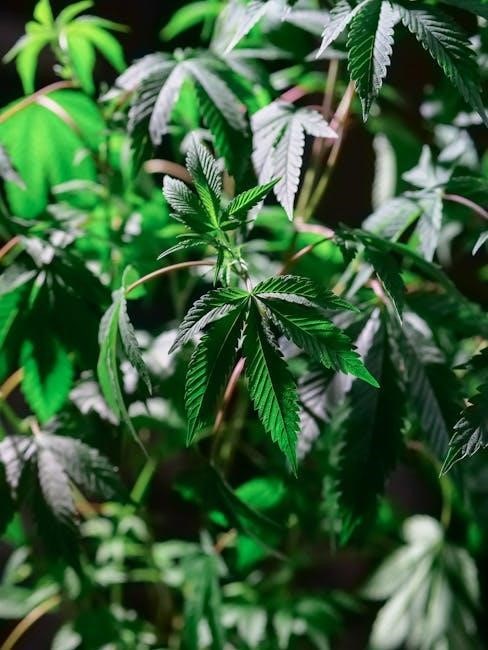
Foliar feeding delivers nutrients directly through the leaves, offering a rapid response, particularly useful for mobile deficiencies like nitrogen. It bypasses the root system, providing immediate relief but is a temporary solution. Root feeding, conversely, nourishes the plant systemically through the roots, promoting long-term health and stability.
While foliar feeding is faster, root feeding builds a stronger foundation. Combining both methods can be effective – foliar feeding for quick correction, followed by root feeding for sustained support. Consider plant stage and deficiency severity when choosing the appropriate method.
Adjusting Nutrient Solutions – PPM & pH
Precisely adjusting nutrient solutions involves monitoring PPM (parts per million), indicating nutrient concentration, and pH, influencing nutrient uptake. Cannabis generally thrives within a pH range of 6.0-7.0 in soil and 5.5-6.5 in hydroponics. Regularly check and adjust pH using pH up or down solutions.
PPM levels vary by growth stage; vegetative stages require lower PPM than flowering. Overfeeding can cause nutrient burn, while underfeeding leads to deficiencies. Consistent monitoring and gradual adjustments are crucial for optimal plant health. Always use a reliable PPM/TDS meter and pH pen for accurate readings.
Understanding pH and its Impact on Nutrient Uptake
pH profoundly impacts a cannabis plant’s ability to absorb essential nutrients. Nutrients are only available for uptake within a specific pH range; outside this range, they become chemically locked and inaccessible, even if present in the solution. Maintaining the correct pH ensures optimal nutrient availability.
For soil-grown cannabis, the ideal pH is typically between 6.0 and 7.0, while hydroponic systems prefer a slightly acidic range of 5.5 to 6.5. Regularly monitoring and adjusting pH is vital, using pH up or down solutions to correct imbalances. Consistent pH control maximizes nutrient absorption and promotes vigorous growth.
Water Quality and its Influence on Nutrient Availability
Water quality significantly affects nutrient availability and uptake in cannabis cultivation. Tap water often contains chlorine, chloramine, and mineral salts that can interfere with nutrient absorption or cause imbalances. Hard water, rich in calcium and magnesium, may contribute to nutrient lockout if not properly managed.
Using filtered or reverse osmosis (RO) water provides a cleaner base, allowing for precise nutrient control. Always test your water source’s PPM (parts per million) to understand its existing mineral content. Adjust nutrient solutions accordingly to avoid overfeeding or deficiencies, ensuring optimal plant health and maximizing yields.

Hydroponic vs. Soil Nutrient Management
Hydroponic and soil-based cannabis cultivation require distinct nutrient management approaches. In hydroponics, nutrients are directly delivered to the roots in a water-based solution, demanding precise PPM and pH control for optimal uptake. Soil acts as a buffer, holding nutrients and releasing them gradually, offering more forgiveness but requiring regular monitoring.
Hydroponic systems necessitate complete nutrient formulations, while soil benefits from organic amendments and supplements. Soil’s microbial life aids nutrient breakdown, a process absent in hydroponics. Understanding these differences is crucial for tailoring nutrient schedules and maximizing cannabis growth in each medium.
Preventing Nutrient Problems
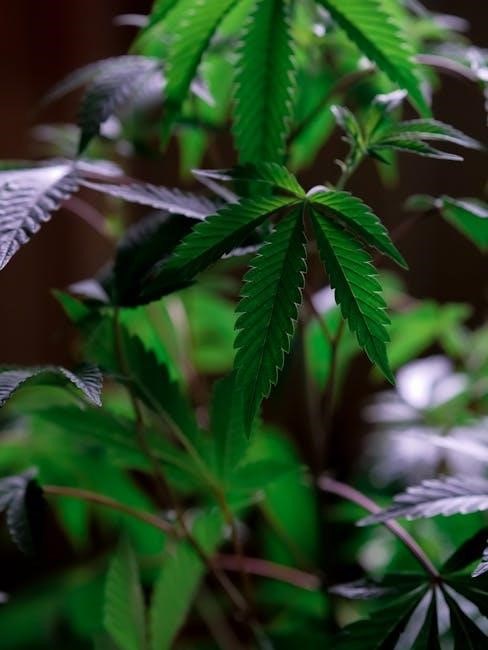
Proactive monitoring and regular checks are paramount in preventing cannabis nutrient issues. Consistent pH and PPM measurements of your nutrient solution, alongside visual plant inspections, allow for early detection of imbalances. Choosing high-quality, reputable nutrient brands minimizes the risk of contaminants or inaccurate formulations.
Maintain a consistent feeding schedule tailored to the plant’s growth stage. Avoid overfeeding, which can lead to nutrient lockout and toxicity. Proper environmental control, including temperature and humidity, also influences nutrient uptake. Preventative measures are far more effective than reactive treatments.
Monitoring and Regular Checks
Consistent monitoring is the cornerstone of preventative nutrient management. Regularly check pH and PPM (parts per million) levels in your nutrient solution – ideally daily or every other day. Visual inspections of your cannabis plants are crucial; look for subtle changes in leaf color, shape, or texture. Document observations to track progression.
Keep a detailed log of feeding schedules, nutrient ratios, and environmental conditions. This data helps identify patterns and potential issues before they escalate. Utilize deficiency charts as a reference, but remember visual diagnosis requires practice. Early detection significantly improves the chances of successful correction.

Choosing Quality Nutrients
Selecting high-quality cannabis nutrients is paramount for plant health and maximizing yields. Opt for nutrient lines specifically formulated for cannabis, as they provide balanced ratios tailored to the plant’s needs during vegetative and flowering stages. Research brands and read reviews to assess product reputation and user experiences.
Consider whether you prefer liquid, dry, or slow-release nutrients, factoring in your grow setup and experience level. Avoid products with excessive fillers or unknown ingredients. Prioritize nutrients containing chelated minerals for improved absorption. Investing in quality upfront minimizes deficiencies and promotes robust growth.
Advanced Nutrient Techniques
Beyond basic feeding, advanced techniques can significantly enhance cannabis growth and potency. Cal-Mag supplements address calcium and magnesium deficiencies, crucial for cell wall development and chlorophyll production, especially in coco coir or hydroponic systems. Silica supplementation strengthens plant cell walls, increasing resistance to pests, diseases, and environmental stress.
Exploring techniques like nutrient layering – adjusting ratios throughout the flowering cycle – can optimize cannabinoid production. Careful monitoring of PPM and pH remains vital when implementing these advanced strategies. Remember, experimentation should be gradual and documented to observe effects accurately.
Cal-Mag Supplements
Cal-Mag supplements are vital for cannabis, addressing deficiencies in calcium (Ca) and magnesium (Mg). These micronutrients play critical roles in various plant processes, including cell wall development, chlorophyll production, and enzyme activation. Deficiencies often manifest as interveinal chlorosis – yellowing between leaf veins – or rusty spots.
Coco coir, a popular growing medium, naturally lacks Cal-Mag, making supplementation essential. Hydroponic systems also benefit from added Cal-Mag due to the controlled environment. Using a quality Cal-Mag product prevents deficiencies and promotes robust growth, ultimately leading to increased yields and improved bud quality.

Silica Supplementation
Silica, in the form of silicic acid, offers numerous benefits to cannabis plants, enhancing their resilience and overall health. It strengthens cell walls, increasing resistance to pests, diseases, and environmental stressors like heat and drought. Silica also improves nutrient uptake, particularly phosphorus and potassium, leading to more vigorous growth.
Supplementing with silica can result in sturdier stems, reducing the risk of breakage, especially during the flowering stage when buds become heavy. Furthermore, silica contributes to increased trichome production, potentially enhancing the potency and quality of the final product. Consistent, moderate application yields the best results.