
Key Sections of a Babysitter Instructions Template
This babysitter instructions template outlines key sections: emergency contacts, feeding schedules, medication notes, sleep routines, safety rules, activity ideas, chores, transport, and communication protocols. Each section ensures clarity, safety, and smooth care for your child. Follow these sections for a safe, experience!

Emergency Contact Information
Emergency contact information is critical for any babysitter. The template should include the following details:
- Primary Parent/Guardian: Name, phone number, and email.
- Secondary Contact: Alternate phone number, relationship to child, and email.
- Medical Provider: Pediatrician name, office phone, and address.
- Emergency Services: 911, local hospital, and poison control number.
- Special Instructions: Any specific dialing instructions or codes.
Additionally, note any relevant medical conditions or allergies that require immediate action. Keep this section up to date and easily accessible, preferably in both digital and printed form.
Emergency dialing instructions: If you need to call a number that requires a prefix (e.g., 1-800), dial the full number. For local numbers, use the area code. If the phone is on silent mode, turn it on before dialing.
Medical emergency protocol: If the child shows signs of an allergic reaction (hives, swelling, difficulty breathing), administer antihistamine if available and call 911. If the child is unconscious, perform CPR if trained.
After calling emergency services, stay on the line until an operator confirms the child’s location and status. Provide clear, concise information.
Keep a list of all medications with dosage and timing. If a medication is missed, notify parents immediately and follow up.
If a child falls or sustains an injury, clean the wound, apply bandage, and contact parents. Document the incident in the incident log.
Maintain a calm demeanor, use positive reinforcement, and keep the child engaged with age-appropriate tasks. If you encounter any issues, document them and inform parents promptly.
Always verify the emergency contacts before leaving.
Daily Feeding Schedule and Meal Prep
Follow this concise plan to keep your child well‑fed and happy. Times are flexible; adjust only if the child’s routine changes. All dishes are pre‑made in the kitchen; just reheat or assemble as shown. For allergy or dietary concerns, see the “Medication and Health Instructions” section.
- Breakfast (7:30 am) – Warm oatmeal with milk, top with banana slices and a pinch of cinnamon. Serve a small cup of diluted fruit juice or water.
- Morning Snack (10:00 am) – Yogurt cup (plain or vanilla) with a handful of whole‑grain crackers. A small piece of fruit is optional.
- Lunch (12:30 pm) – Turkey‑cheese sandwich on whole‑grain bread, cucumber slices, carrot sticks, and a glass of milk or water.
- Afternoon Snack (3:00 pm) – Mixed berries with a dollop of whipped cream or apple slices with peanut butter (if no allergy).
- Dinner (6:00 pm) – Reheat chicken‑rice casserole to 165 °F, add steamed broccoli and mashed potatoes. Finish with a cup of milk or water.
- Evening Snack (8:00 pm) – Small piece of cheese or banana slice. Avoid sugary treats before bedtime.
Meal prep tips:
- Store perishables in the fridge at 40 °F or lower.
- Label each container with date and contents.
- Check expiration dates on dairy and canned goods.
- Keep a bowl of fresh fruit on the counter for quick snacks.
- Wash utensils and plates before use; rinse after washing.
Hydration is key: place a water bottle within reach at all times. If juice is offered, limit to 4 oz per day to reduce sugar. Wash hands before and after meals, and sanitize surfaces with a child‑safe cleaner. This routine supports healthy eating habits and steady energy throughout the day.
Medication and Health Instructions
Medication and Health Instructions: Please follow these guidelines to ensure your child’s well‑being. 1. Medications: Keep the medication drawer in the kitchen cabinet, labeled with child’s name, dosage, and time. 2. Dosage: Administer the exact dose using the provided measuring device. Do not double‑dose if a dose is missed; contact parents. 3. Timing: Give medication at the scheduled times: 8:00 am, 12:30 pm, and 6:00 pm. 4. Allergies: The child is allergic to peanuts and shellfish. Avoid any food or product containing these. 5. First Aid: For minor cuts, clean with soap and water, apply bandage. For allergic reactions, use antihistamine as instructed. 6. Emergency: If breathing slows or rash spreads, call 911 and inform parents immediately. 7. Medical History: The child has asthma; keep inhaler nearby. 8. Documentation: Record each dose in the logbook with time and any notes. 9. Storage: Keep medications in a cool, dry place, out of reach of pets and children. 10. Questions: If unsure about any medication or symptom, call parents before proceeding. 11. Follow‑up: After each shift, update parents on any health changes or concerns. 12. Hygiene: Wash hands before and after administering medication. 13. Medication Expiry: Check expiry dates; discard expired meds and notify parents. 14. Medical Records: Store the child’s medical card in the designated drawer. 15. Consent: Parents have authorized this babysitter to administer prescribed meds. 16. Safety: Never mix medications; keep separate containers. 17. Monitoring: Observe for side effects such as dizziness, nausea, or rash. 18. Reporting: Log any adverse reactions and inform parents immediately. 19. Contact: For urgent medical questions, call the pediatrician at the number provided. 20. Review: Parents will review this section after each week to ensure clarity and safety. 21. Thank you for caring for our child’s health. Your care matters.

Sleeping and Naptime Routines
Sleeping and naptime routines are essential for a child’s health and safety. Start by establishing a consistent bedtime: 7:00 pm for the 3‑year‑old and 7:30 pm for the 5‑year‑old. Keep the bedroom cool, dim the lights, and use a white‑noise machine if preferred. A short, soothing story or lullaby helps transition from playtime to rest. The child should have a light snack—such as a banana or a small cup of milk—at least 30 minutes before bed to avoid hunger or discomfort. The room must be free of electronic screens; if a tablet is used for a brief educational game, it must be turned off at least 15 minutes before bedtime. For naps, aim for a 1‑hour window between 10:00 am and 12:00 pm. Use a quiet, darkened room and a blanket to create a cozy environment. If the child wakes during the nap, gently guide them back to sleep without stimulating conversation. Record any unusual sleep patterns or disturbances in the log sheet. If the child has trouble falling asleep, try a brief breathing exercise: inhale for four counts, hold for four, exhale for four. Always check that the child’s pillow and bedding are clean and that the room temperature is between 68°F and 72°F. Before bedtime, ensure all windows are closed and locks are engaged. Verify that the stove and oven are off, and that any hot surfaces are cool. If the child uses a night light, set it to a soft amber glow. The sitter should verify that the child’s diaper or potty is clean and that the bathroom is tidy. If the child has a favorite stuffed animal, place it within reach. During the night, the sitter should monitor for any signs of discomfort, such as crying or restlessness, and respond calmly; If the child wakes, the sitter should offer a small, non‑sweet snack if the schedule allows, or simply provide a comforting presence. All these steps should be recorded in the babysitter instructions template so the sitter can follow the same process each night, ensuring consistency and comfort for the child.

Household Rules and Safety Guidelines
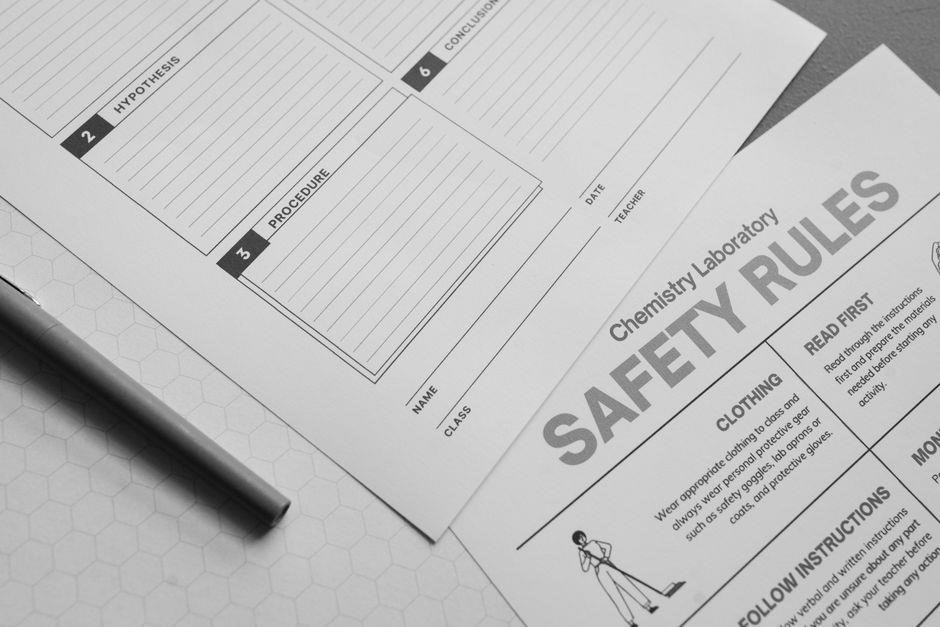
Household rules and safety guidelines are essential for a babysitter to maintain a secure environment. First, keep all hazardous items—cleaning supplies, sharp objects, and medications—out of reach in locked cabinets. Only the designated keys should be used for these areas, and the babysitter know the combination or key location. Second, establish clear boundaries for the child’s play area. The child should not be allowed near the kitchen counter, stove, or any electrical outlets. All cords must be secured and out of reach. Third, enforce a “no running” rule to prevent accidents in hallways and stairs. Fourth, the babysitter should always supervise the child during bath time, ensuring the water temperature is safe and the child never slips. Fifth, if pets are present, the babysitter must keep the child away from the pet’s food and litter box, and never leave the child unattended with a pet. Finally, the babysitter should be aware of the family’s emergency procedures, including the location of fire extinguishers, first‑aid kits, and the nearest exit routes. Regularly check that all smoke detectors are functioning and that the child knows how to call emergency services if needed.
Additionally, the babysitter should keep the child’s personal items organized, such as school supplies, books, and toys, in designated bins or shelves to prevent clutter. The babysitter must also ensure that all windows are securely closed, especially on higher floors, and that the child does not climb on furniture. If the child has any special needs, such as a routine for dressing or a specific bedtime ritual, the babysitter should follow those steps precisely. OK!
Entertainment and Activity Ideas
When planning entertainment for the children, keep variety and safety in mind. Start with a simple morning routine: a 10‑minute stretch or a short sing‑along to energize them. Then offer a creative craft session—use washable markers, colored paper, and recycled materials to build a collage or paper boats. For a snack, involve the kids in assembling a fruit salad, letting them choose pieces and mix them in a bowl. Afterward, a quiet storytime can calm the mood; choose books with bright illustrations or interactive flaps. If the weather allows, a backyard scavenger hunt is a fun way to combine exercise and learning: create a list of items such as a smooth stone, a red leaf, or a feather, and give the children a small bag to collect them. For indoor play, set up a mini obstacle course using cushions and soft toys, encouraging them to crawl, hop, and balance. A simple science experiment, like mixing baking soda and vinegar in a plastic bottle, can spark curiosity while teaching cause and effect. End the day with a group activity such as making a family photo collage on a poster board, where each child adds a drawing or a photo from the day. Throughout, rotate music playlists that match the children’s age and keep volume at a safe level. Always supervise close‑contact activities and keep a first‑aid kit nearby. By offering a mix of physical, creative, and quiet play, you’ll keep the children engaged, happy, and safe. For toddlers, simple sensory bins filled with rice, beans, or pasta provide hours of exploration; add small plastic animals or cups for scooping. For preschoolers, a dress‑up corner with hats, scarves, and costume pieces encourages imaginative play. For school‑aged children, a DIY science kit with magnets or a crystal‑growing set can be educational and entertaining. Consider a themed movie night with a short film appropriate for the age group, followed by a discussion about the characters and plot. If the family enjoys music, a karaoke session with friendly songs can be a blast. Finally, a gratitude circle at bedtime, where each child shares one thing they liked about the day, helps reinforce positive emotions and a sense of community. This balanced schedule ensures that every child feels involved, stimulated, and secure throughout the babysitting period.

Chore Assignments and Cleaning Duties
Chore assignments and cleaning duties are an essential part of any babysitter instructions template. They keep the household orderly, ensure safety, and give the sitter a clear structure for the day. The template should list all daily chores, such as wiping kitchen counters, sweeping the living room, loading the dishwasher, and tidying the play area. Each task should have a designated time: for instance, after dinner at 7:30 p.m., the babysitter should wipe down the kitchen, gather dishes, and put them in the dishwasher. The template can use a checklist format so that the sitter can tick off completed tasks and keep a record for the parents. Weekly duties might include vacuuming carpets, mopping floors, cleaning the bathroom, and changing bed linens. Safety guidelines must be embedded in the chore section: use non‑slip mats when mopping, keep all cleaning supplies out of reach of children, and never use the stove for cooking unless a parent is present. The instructions should remind the sitter to dispose of trash properly, separate recyclables, and replace the trash bag when it is full. By following these chore assignments, the babysitter helps maintain a clean environment, reduces the risk of accidents, and supports the parents’ routine. The template should also encourage the sitter to report any maintenance issues, such as a leaking faucet or a broken light fixture, to the parents immediately. This proactive approach ensures that the home remains safe and welcoming for both the child and the sitter. Finally, the template can include a brief note on how to handle spills: wipe them immediately, use a damp cloth, and dry the area to prevent slips. This comprehensive section of the babysitter instructions template gives the sitter confidence, keeps the house tidy, and promotes a positive caregiving experience.

Transportation and Drop-Off Logistics
Plan pickup times, vehicle details, and route. Confirm driver ID, insurance, and child seat. Note school bus schedules, parking spots, and safe walk paths. Provide contact numbers for parents and emergency. Record any special instructions or restrictions. All keys returned. Please
Emergency Procedures and First Aid
In case of emergency, follow these steps: 1. Check the child’s responsiveness. 2. Call 911 or local emergency number. 3. Provide clear details: child’s age, symptoms, allergies. 4. Stay on line until help arrives. 5. If child unconscious but breathing, place in recovery position. 6. If breathing stops, begin CPR: 30 chest compressions, 2 rescue breaths. 7. For minor cuts, clean with soap and water, apply antiseptic ointment, cover with sterile bandage. 8. For burns, cool area under running cool water 10 minutes, then cover with clean, non‑stick dressing. 9. If child shows allergic reaction (hives, swelling, breathing difficulty), administer epinephrine auto‑injector if available, then call 911. 10. Keep first‑aid kit accessible: gauze, adhesive bandages, antibiotic ointment, tweezers, scissors, emergency contact list. 11. Record incident details in logbook, notify parents immediately after event. 12. Review first‑aid kit monthly to replace expired items. 13. Practice CPR and first‑aid drills with parents to ensure readiness. 14. Maintain calm, reassure child, avoid moving unless necessary. 15. If condition worsens, transport to nearest emergency department. 16. After incident, provide brief report to parents, including actions taken, medical advice received. 17. Keep child’s medical records, immunization dates, in safe place. 18. Update babysitter’s emergency contact list regularly. 19. Ensure babysitter knows how to use fire extinguisher and exits. 20. Review all emergency procedures before first shift. This comprehensive approach ensures safety and preparedness for any situation.
Additional notes: For seizures, cushion head, loosen clothing, time event, do not restrain; After, place on side, monitor breathing, call emergency if >5 min or unconscious. For choking, perform Heimlich for >1 yr: stand behind, fist above navel, thrust upward. For infants, chest thrusts and quickly soon!?
Food Allergies and Dietary Restrictions
Allergy and dietary information is critical for safe meal preparation and emergency response. The template should list each child’s known allergens, the severity of reactions, and the specific foods to avoid. Include a clear “Do Not Use” list and a “Safe Alternatives” list. Provide instructions on how to check labels, avoid cross‑contamination, and store allergens separately. Also note any required emergency medications (e.g., epinephrine auto‑injector) with dosage, brand, and usage steps. If a child has a medical condition that affects diet (such as diabetes or celiac disease), include daily glucose targets or gluten‑free guidelines. Record the child’s preferred snacks, portion sizes, and acceptable substitutes. Add a section for special occasions: how to handle birthday cakes, school lunches, or family gatherings. Finally, give a quick reference for the babysitter to call parents or emergency services if a reaction occurs, and a checklist to confirm that all food items have been inspected before serving.
When preparing meals, always read ingredient lists for hidden allergens such as nuts, dairy, soy, wheat, shellfish, or eggs. Use separate utensils and cutting boards for allergen‑free dishes. Keep a dedicated allergen storage area that is clearly labeled and locked if necessary. In case of accidental exposure, follow the emergency action plan: administer medication, monitor symptoms, and contact emergency services immediately. Document any incidents in the babysitter log and inform parents promptly. For dietary restrictions like vegetarian, vegan, or low‑sodium, provide approved recipes and portion guidelines. Also note any special instructions for food temperature, texture, or presentation that may affect the child’s comfort or safety. Encourage the child to communicate any discomfort or unfamiliar taste. By maintaining a detailed and up‑to‑date food allergy and dietary restriction section, you help ensure the child’s health and peace of mind for parents.
In addition, include a list of approved snack brands and a list of foods that are “never” allowed. Provide a quick reference card that the babysitter can keep in the kitchen. If the child requires a special diet due to a medical condition, include the daily meal plan with exact portions and timing. Also note any required supplements or vitamins that must be taken with food. Finally, remind the babysitter to keep the child’s food diary, noting any changes in appetite or reactions, and to review it with parents at the end of each shift. This comprehensive approach reduces risk, ensures compliance with dietary restrictions, and supports the child’s overall well‑being.
Communication with Parents
Clear, consistent communication builds trust and ensures the child’s safety and comfort. Start each shift with a brief check‑in: confirm the child’s mood, any new instructions, and any changes in routine. Use a simple log sheet or a digital note to record key points: meals served, any incidents, and the child’s response to activities. At the end of each day, provide a concise summary: what went well, any challenges, and any updates needed for the next shift. If a concern arises—such as a minor injury, a change in appetite, or a behavioral issue—contact the parents immediately. Use the agreed‑upon method: text, call, or a secure messaging app, and keep the tone factual and calm. Include essential details: time, what happened, how it was handled, and any follow‑up needed. If the situation requires a parent’s presence, arrange a quick meeting or a video call to discuss next steps. For routine updates, a brief email or a shared family calendar entry can suffice. Encourage parents to share any new information—like a change in medication, a new allergy, or a shift in bedtime routine—so the babysitter can adapt promptly. Also, ask parents to provide a preferred contact method and response time expectations. Finally, set a regular review schedule: weekly or monthly check‑ins to discuss overall satisfaction, address any concerns, and refine the care plan. This systematic approach ensures transparency, fosters a collaborative relationship, and ultimately supports the child’s well‑being.
Maintain a daily log of the child’s mood, activity level, and any notable changes. Use a simple checklist or a shared digital document to keep parents informed. This transparency helps parents feel secure and allows you to adjust care as needed. Always keep the log updated in real time. Keep it concise daily.!
Lost Item and Incident Reporting
When a child misplaces an item or an incident occurs, the babysitter should follow a reporting protocol to keep parents informed and maintain safety. First, calmly assess the situation: identify the missing item, its last known location, and any clues. Search spots—bedroom, living room, play area, and outdoor spaces. If the item cannot be found after a thorough search, document the details: item description, color, size, approximate value; the time and location of the loss; and any observations that might help locate it later. Record this information in a dedicated “Lost Item Log” that the babysitter should maintain on a simple sheet or a note. The log should include the babysitter’s name, the date, and a narrative of the search. If the item is valuable or the child is upset, inform the parents immediately by phone or text, providing the same details. For incidents such as minor injuries, slips, or falls, the babysitter should first ensure the child is safe, administer basic first aid if needed, and then document the incident. The incident report should contain the child’s name, the date and time, a description of what happened, any actions taken, and any follow‑up needed. This report should be sent to the parents within 24 hours, either by email or a messaging app. Consistent reporting helps parents stay informed and builds trust between the babysitter and the family. By keeping today a detailed log and communicating daily the babysitter can manage lost items and incidents efficiently while ensuring the childs wellbeing and the parents peace of mind.
Feedback and Review Process
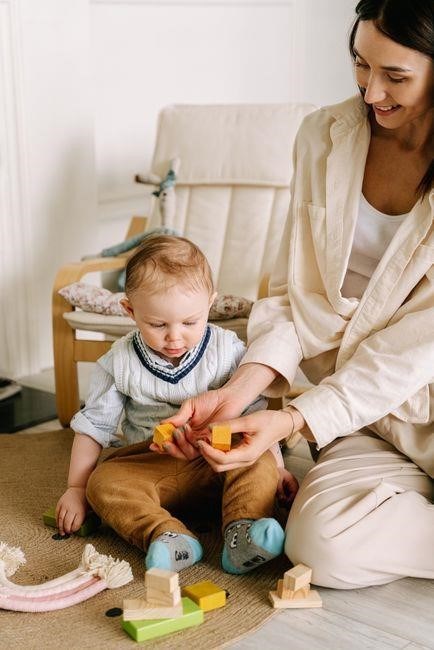
After each babysitting session, parents and caregivers should engage in a structured feedback loop to ensure continuous improvement and clear communication. The process begins with a brief debriefing conversation, either in person or via a secure messaging platform, where the babysitter shares observations about the child’s mood, any incidents, and overall engagement with activities. Parents then provide their perspective, noting any concerns, praise, or suggestions for adjustments.
- Timing: Conduct the review within 24 hours of the session to keep details fresh.
- Format: Use a simple checklist that covers safety, routine adherence, meal preparation, and emotional well‑being.
- Documentation: Record key points in a shared digital document or a printable form that both parties can access.
- Follow‑up Actions: Identify actionable items, assign responsibilities, and set deadlines for any changes to the care plan.
- Positive Reinforcement: Highlight successes to motivate the babysitter and reinforce effective practices.
Consistent feedback not only builds trust but also helps the babysitter refine techniques, adapt to the child’s evolving needs, and align with the family’s values. By embedding this routine into the babysitter instructions template, families create a transparent, collaborative environment that supports both the child’s development and the babysitter’s professional growth.
This structured feedback loop ensures clarity, safety, and continuous improvement for both the child and caregiver now.