
Belt Guide: A Comprehensive Overview
Discover the world of belts, from fashion statements to functional tools, exploring styles, materials, components, sizing, care, and specialized types like Kushak and Obi․
What is a Belt? ー Definition and Basic Function
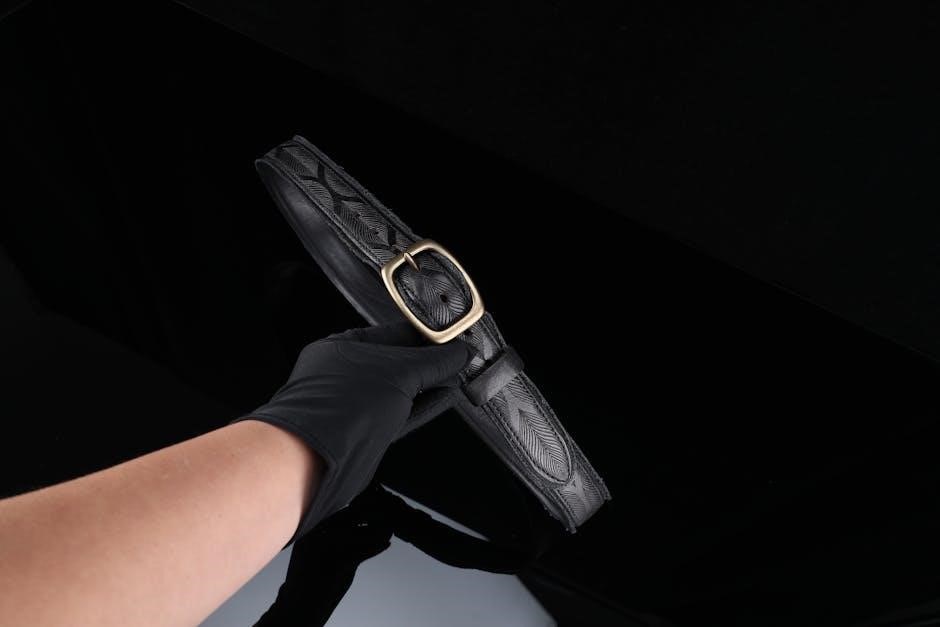
A belt, fundamentally, is a loop of material – historically leather, now encompassing fabrics, and even modern polymers – used to secure or hold articles of clothing in place around the natural waist․ Its primary function evolved from purely practical necessity to a significant fashion accessory․ Initially, belts served to cinch garments, providing a defined silhouette and preventing clothing from falling․
Today, belts continue this role, but also express personal style, complement outfits, and even serve specialized purposes, such as weightlifting support․ The basic function remains consistent: encircling the waist and utilizing a buckle or similar fastening mechanism to maintain a secure fit․ Belts bridge the gap between utility and aesthetics․
Historical Significance of Belts
Belts boast a rich history, predating modern fashion․ Archaeological evidence reveals their use as early as the Bronze Age, initially crafted from animal hides for practical purposes – securing tools and weapons․ Throughout ancient civilizations, belts signified status and power; elaborate designs adorned the waists of rulers and warriors․
In the Middle Ages, belts held pouches and scabbards, evolving into decorative elements․ The Renaissance saw ornate belts embellished with jewels and precious metals․ Over centuries, belt styles mirrored societal shifts, from functional necessities to symbols of wealth and evolving aesthetics․ Today’s diverse belt landscape is a direct result of this long and fascinating evolution․
Types of Belts: Fashion & Function
Explore diverse belt categories, encompassing stylish fashion belts and purpose-built functional designs, including weightlifting and modern ratchet belt options․
Fashion Belts: Styles and Materials
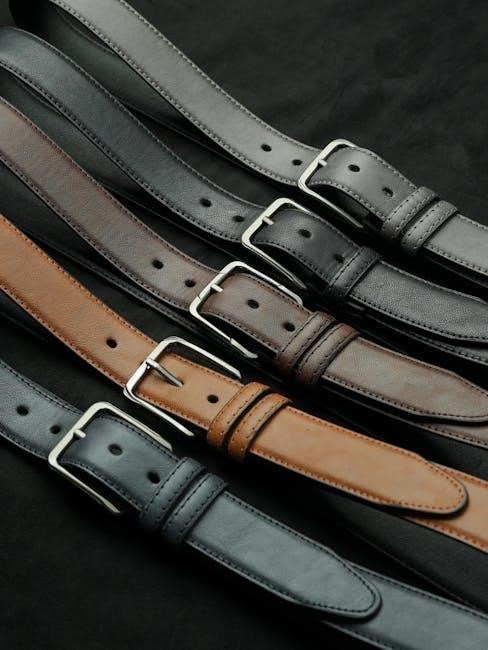
Fashion belts elevate outfits, offering diverse styles and materials to express personal taste․ Leather belts remain a classic choice, prized for durability and timeless appeal, available in various finishes and widths․ Fabric belts provide a more casual and versatile option, often featuring vibrant colors and patterns․
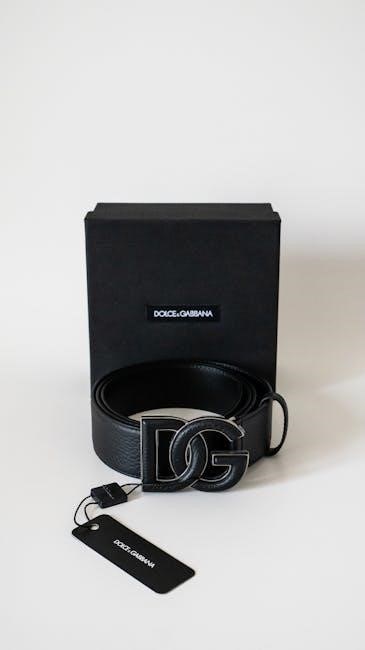
Designer belts serve as statement pieces, showcasing brand logos and unique designs․ These belts can dramatically enhance an ensemble, adding a touch of luxury and sophistication․ The choice of material significantly impacts the belt’s aesthetic and functionality, ranging from supple calfskin to robust canvas․ Ultimately, selecting a fashion belt involves considering the desired style, occasion, and overall outfit coordination․
Leather Belts: Classic and Durable
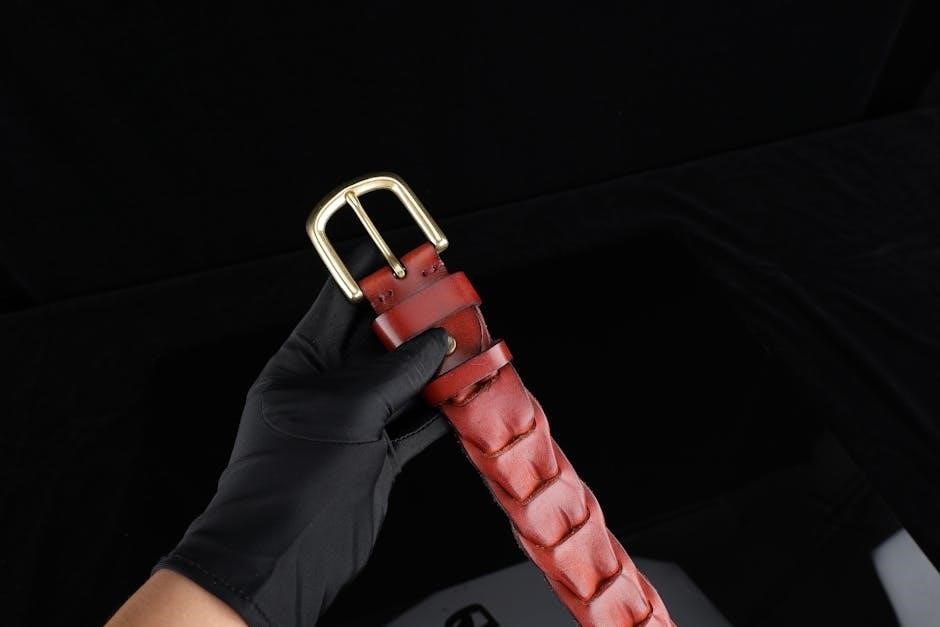
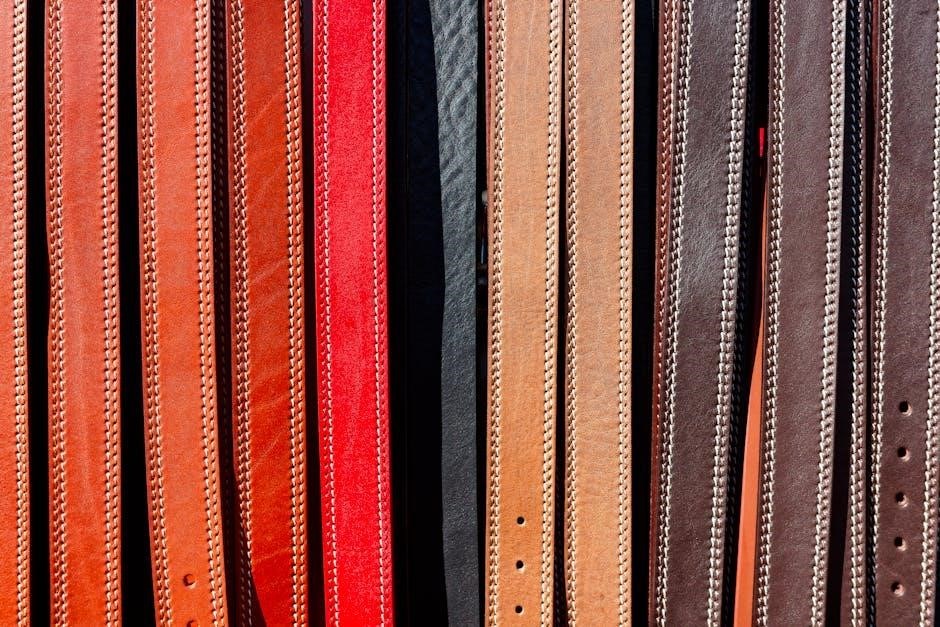
Leather belts represent a cornerstone of style, celebrated for their enduring quality and versatility․ Crafted from animal hides, they offer exceptional durability, aging gracefully with use and developing a unique patina․ Full-grain leather, the highest quality, boasts natural markings and strength, while top-grain leather undergoes a refining process․
Various finishes, like smooth, textured, or distressed, cater to diverse aesthetics․ Leather belts pair seamlessly with both casual and formal attire, enhancing outfits with a touch of sophistication․ Proper care, including regular cleaning and conditioning, extends their lifespan considerably, ensuring years of reliable wear․ They remain a timeless investment in any wardrobe․
Fabric Belts: Casual and Versatile
Fabric belts offer a relaxed and adaptable alternative to leather, perfect for casual ensembles․ Constructed from materials like cotton, nylon, or polyester, they introduce texture and color to outfits․ These belts excel in providing comfort and a less formal aesthetic, complementing jeans, shorts, and skirts effortlessly․
Available in a wide array of patterns and weaves, fabric belts allow for self-expression and style experimentation․ They are often more affordable than leather options, making them accessible for diverse budgets․ While generally less durable than leather, proper washing and storage can maintain their appearance․ Fabric belts are ideal for adding a playful touch to everyday wear․
Designer Belts: Statement Pieces
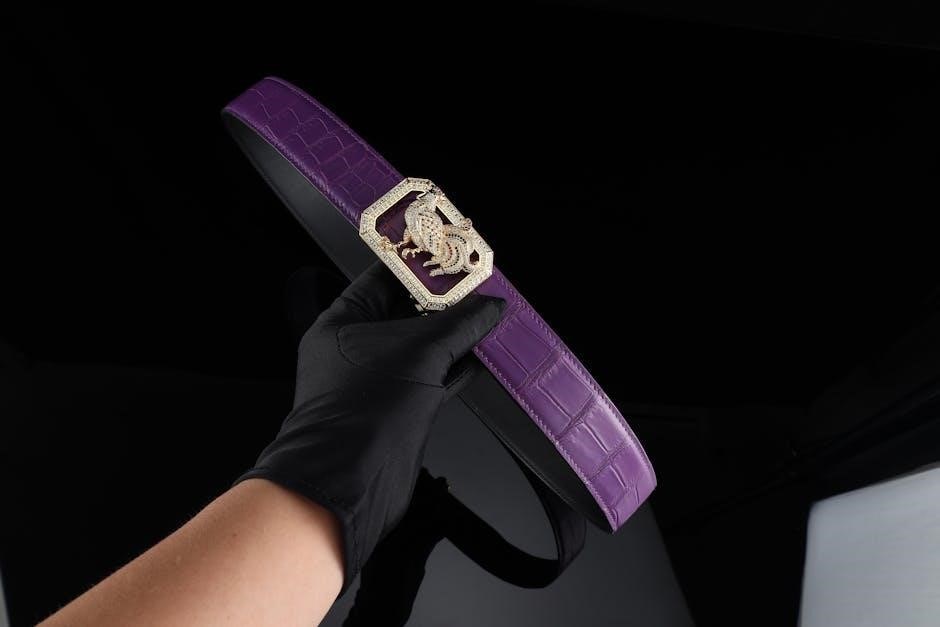
Designer belts transcend mere functionality, becoming bold fashion statements that elevate any outfit․ Crafted by renowned fashion houses, these belts often feature distinctive logos, unique buckles, and premium materials․ They represent a commitment to style and luxury, instantly adding a touch of sophistication and exclusivity․
Investment pieces, designer belts can significantly impact an ensemble, transforming a simple look into a high-fashion statement․ Expect to find intricate detailing, innovative designs, and superior craftsmanship․ While carrying a higher price tag, they offer lasting quality and enduring style․ These belts are perfect for special occasions or for those seeking to express their individual fashion sense․
Functional Belts: Purpose-Built Designs
Functional belts prioritize utility and performance, designed for specific activities rather than purely aesthetic appeal․ These belts are engineered to provide support, enhance safety, or improve efficiency in various tasks․ Unlike fashion belts, their construction focuses on durability and practicality․
A prime example is the weightlifting belt, crucial for individuals engaging in heavy barbell exercises․ These belts don’t prevent injury, but they increase intra-abdominal pressure, supporting the spine and enabling lifters to handle greater weights safely․ Other functional belts cater to tradespeople needing tool holders or specialized carrying solutions, demonstrating the diverse applications beyond traditional waist support․
Weightlifting Belts: Support and Performance
Weightlifting belts are essential gear for serious barbell training, providing crucial support during heavy lifts․ Contrary to popular belief, they don’t inherently prevent injuries, but significantly enhance performance and stability․ By increasing intra-abdominal pressure, these belts brace the core, protecting the spine from excessive stress․
These belts come in various materials and widths, catering to different lifting styles and preferences․ Leather belts are traditional and durable, while synthetic options offer flexibility and lighter weight․ Choosing the right belt involves considering your lifting experience, the weight you’re handling, and personal comfort․ Ultimately, a weightlifting belt aids in maximizing lifting potential while minimizing risk․
Ratchet Belts: Precision and Convenience
Ratchet belts represent a modern approach to waist fastening, offering a precise and customizable fit unlike traditional buckle belts․ Instead of pre-set holes, these belts utilize a micro-adjustment ratchet mechanism, allowing for incremental adjustments to achieve the perfect tension․ This eliminates the common issue of being stuck between sizes, ensuring optimal comfort and a secure hold․
The convenience of ratchet belts extends to their ease of use – simply lift the buckle to release and adjust․ They are available in various styles and materials, from leather to nylon, catering to both casual and formal occasions․ Their sleek design and functional benefits make them a popular choice for those seeking a refined and reliable belt option․
Slide Belts: Modern and Minimalist
Slide belts embody a contemporary aesthetic, characterized by their sleek, buckle-free design․ These belts feature a sliding mechanism, typically a flat metal or fabric bar that inserts into loops on the waistband․ This minimalist approach eliminates the traditional buckle, resulting in a clean and streamlined look that complements modern outfits․
Often crafted from durable materials like nylon webbing or elastic, slide belts offer both style and flexibility․ Adjusting the fit is simple – just pull the belt through the loops to the desired length․ They are a popular choice for casual wear, providing a comfortable and secure fit without the bulk of a conventional buckle․ Their ease of use and modern appeal make them a versatile accessory․

Belt Components: Understanding the Parts
Belts consist of two primary elements: the strap, providing length and material, and the buckle, securing the fit with diverse types and materials․
Buckles: Types and Materials
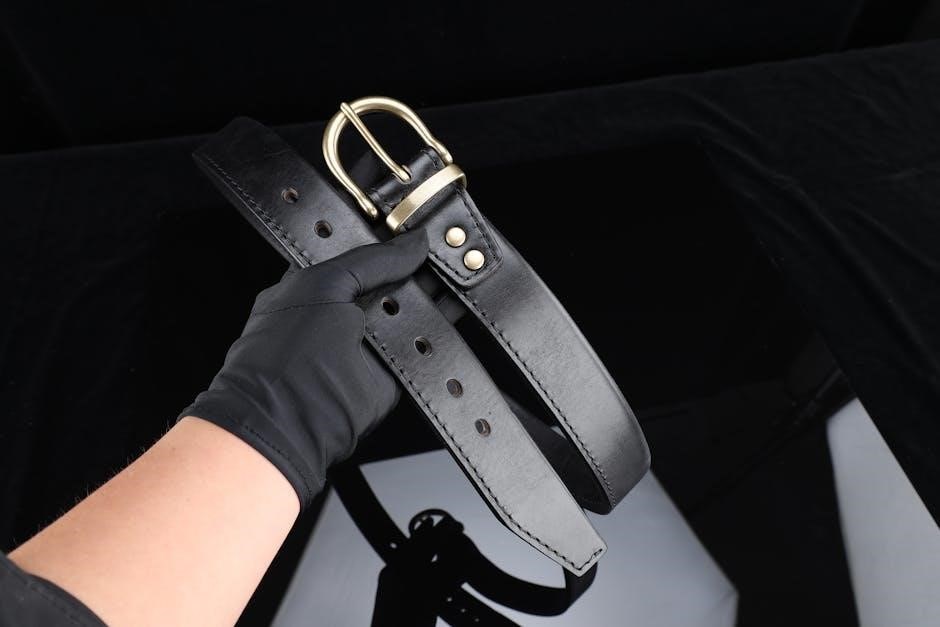
Buckles are crucial for securing belts, coming in various designs and constructed from diverse materials․ Traditional buckles often feature a prong that inserts into belt holes, typically made of metal like brass, steel, or alloys for durability and style․
Automatic buckles, a modern innovation, utilize a lever or mechanism to grip the belt strap, offering a cleaner look and adjustable fit without visible holes․ These are frequently found on ratchet belts․
Materials range from polished metals for formal wear to more rugged finishes for casual or functional belts․ The buckle’s quality significantly impacts the belt’s overall aesthetic and longevity, influencing both appearance and usability․
Traditional Buckles
Traditional buckles represent the classic approach to belt fastening, employing a simple yet effective prong-and-hole system․ These buckles typically consist of a metal frame, often featuring a polished or brushed finish, with a single prong designed to securely grip the belt strap․
Common materials include brass, steel, and various metal alloys, chosen for their strength and resistance to wear․ The design often incorporates a defined shape, ranging from rectangular to square or even ornate designs, adding to the belt’s overall aesthetic․
Their enduring popularity stems from their reliability, ease of use, and timeless style, making them suitable for a wide range of belt types and outfits․
Automatic Buckles
Automatic buckles offer a modern and convenient alternative to traditional prong buckles․ These buckles utilize a spring-loaded mechanism that automatically secures the belt strap when inserted, eliminating the need to manually thread and fasten․
Typically constructed from durable metals like stainless steel or zinc alloy, automatic buckles provide a sleek and minimalist aesthetic․ They often feature a release lever or button that allows for quick and easy removal of the belt․
Their ease of use and secure hold make them a popular choice for those seeking a streamlined and efficient fastening solution, often found on dress belts and casual wear․
Belt Straps: Materials and Construction
Belt straps are the foundational element, with materials significantly impacting durability and style․ Leather remains a classic choice, offering varying grades from full-grain (most durable) to genuine leather․ Fabric straps, often nylon or polyester, provide a more casual and versatile option․
Construction techniques also vary․ Solid leather straps are cut from a single piece, ensuring strength․ Layered straps combine multiple layers for cost-effectiveness, though they may be less durable․ Stitching quality is crucial; robust stitching ensures longevity․
Beyond leather and fabric, materials like canvas, rubber, and even metal are used for specialized belts, each offering unique properties suited to specific purposes and aesthetic preferences․
Belt Holes: Placement and Customization
Belt hole placement is critical for a comfortable and secure fit․ Traditionally, the middle hole is used for the most frequent setting, with additional holes spaced evenly to allow for adjustments․ Standard spacing is approximately one inch apart, catering to fluctuations in waist size․
Customization is often necessary for a perfect fit․ Many belts come with fewer holes than needed, requiring the addition of new ones․ A leather punch is the ideal tool for this, ensuring clean, durable holes; Avoid creating holes too close to existing ones, as this can weaken the strap․
Consider your typical wearing position when adding holes; prioritize comfort and security above all else․

Belt Sizing and Fit: Finding the Right Size
Achieve a perfect fit by accurately measuring your waist, understanding size charts, and utilizing helpful tips for adjustments – ensuring both comfort and security․
Measuring Your Waist: Accurate Sizing
Precise waist measurement is crucial for selecting the correct belt size․ Use a flexible measuring tape, ensuring it’s comfortably snug – not too tight, nor too loose – around your natural waistline․ This is generally located just above your hip bones․
Stand naturally and exhale before taking the measurement․ Record the measurement in inches․ It’s best to measure over clothing similar to what you’d typically wear with a belt․
Remember to double-check your measurement! Most belt sizes correspond to your waist measurement, but it’s wise to consult the specific size chart of the belt manufacturer, as variations can occur․ Adding a couple of inches to your waist size is often recommended for a comfortable fit․
Belt Length: Understanding Size Charts
Belt sizes are typically indicated in inches and represent the total length of the belt, not your waist measurement․ Size charts vary between brands, so always refer to the specific chart provided by the manufacturer․ A common convention is that belt size is 4 inches larger than your waist size․
For example, a 34-inch waist generally requires a 38-inch belt․ However, some brands may differ, so checking the chart is vital․
Consider the buckle type; some buckles take up more length than others․ If you’re between sizes, it’s generally better to size up, allowing for adjustability and comfort․ Online retailers often provide detailed size guides, including conversions from waist size to belt size․
Adjusting Belt Fit: Tips and Tricks
Achieving a perfect belt fit is crucial for both comfort and style․ Ensure the belt buckle sits centered on your waist․ Avoid overtightening, which can be uncomfortable and affect breathing․ A properly fitted belt allows for a comfortable range of motion․
If your belt has traditional holes, experiment with different hole placements to find the sweet spot․ For ratchet belts, utilize the micro-adjustments for a precise fit․
Consider your body shape; some individuals may prefer a slightly looser or tighter fit․ Regularly check your belt for wear and tear, as stretching can affect its fit over time․ A well-fitted belt enhances your overall appearance and provides support when needed․
Belt Care and Maintenance: Extending Belt Life
Proper care, including cleaning, conditioning, and timely repairs, significantly extends the lifespan of your belts, preserving their quality and appearance․
Leather Belt Care: Cleaning and Conditioning
Maintaining leather belts requires gentle cleaning and regular conditioning to prevent cracking and preserve their suppleness․ Avoid harsh chemicals; instead, use a damp cloth to wipe away dirt and debris․ For tougher stains, consider a leather cleaner specifically designed for belts․
After cleaning, conditioning is crucial․ Leather conditioners replenish natural oils lost over time, keeping the leather soft and preventing it from drying out․ Apply a small amount of conditioner with a clean cloth, allowing it to absorb fully before use․
Regular conditioning, every few months, will dramatically extend the life of your leather belt, ensuring it remains a stylish and durable accessory for years to come․ Store leather belts in a cool, dry place, away from direct sunlight․
Fabric Belt Care: Washing and Storage
Caring for fabric belts differs from leather; most can be machine washed, but always check the care label first! Place the belt in a mesh laundry bag to protect it from snagging or damage during the wash cycle․ Use a gentle detergent and a cool water setting․
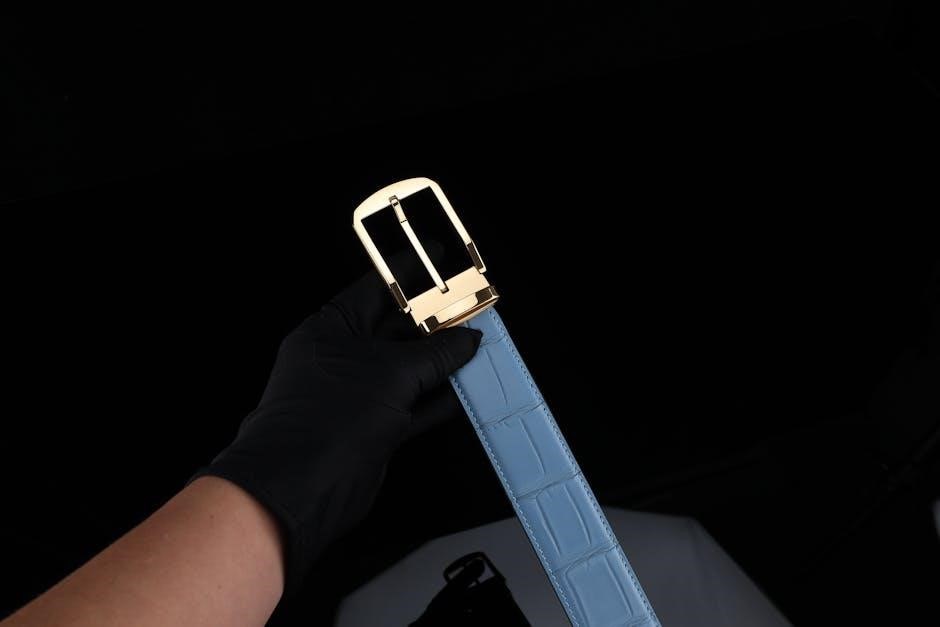
Avoid harsh chemicals or bleach, as these can fade the color or weaken the fabric․ Air drying is highly recommended; avoid using a dryer, as heat can cause shrinkage or distortion․ Lay the belt flat or hang it to dry completely․
For storage, roll or loosely fold fabric belts to prevent creases․ Store them in a drawer or hang them to maintain their shape․ Proper washing and storage will keep your fabric belts looking their best․
Repairing Belts: Extending Usability
Extending the life of your belt doesn’t always require replacement! Minor repairs can significantly increase usability․ A common issue is a detached buckle; often, this can be reattached with a sturdy needle and strong thread, or by taking it to a cobbler․
For frayed ends, carefully trim the fabric and apply a fray-stopping liquid or stitch the edge to prevent further unraveling․ If holes become stretched or damaged, reinforce them with stitching or create new ones using a leather punch (for leather belts)․
Consider professional repair for more complex issues․ A skilled craftsperson can often restore a belt to its former glory, saving you money and reducing waste․
Beyond the Basics: Specialized Belt Types
Explore unique belt styles like the traditional Kushak and Obi, alongside essential car engine belts, each serving distinct purposes beyond everyday fashion or support․
Kushak and Obi Belts: Traditional Styles
Delve into the rich history of Kushak and Obi belts, representing distinct cultural traditions․ Kushak belts, originating from Central Asia, are often intricately woven and symbolize status or regional identity․ Their texture is specifically designed to be soft, ensuring a comfortable fit around the waist․
Similarly, Obi belts are integral to traditional Japanese attire, particularly kimonos․ These broad, sash-like belts are not merely functional but are also artistic expressions, often made from luxurious fabrics like silk and adorned with elaborate patterns․ The tying technique of an Obi is a refined art form in itself․
Both Kushak and Obi belts showcase the importance of belts beyond simple utility, highlighting their roles in cultural expression, social signaling, and aesthetic beauty․
Car Engine Belts: Types and Functions
Essential components of a vehicle, car engine belts facilitate the operation of crucial systems․ Several types exist, each with a specific function․ The serpentine belt is a common, single belt driving multiple accessories like the alternator, power steering pump, and air conditioning compressor․
Timing belts (or chains) synchronize the rotation of the crankshaft and camshaft, vital for precise valve timing; A broken timing belt can cause severe engine damage․ V-belts, older designs, were used for individual accessory drives․
Regular inspection and replacement of these belts are critical for maintaining vehicle performance and preventing breakdowns․ Belt material, tension, and wear patterns are key indicators of their condition, ensuring optimal engine function and longevity․