

Carbon Fiber Sanding Guide: A Comprehensive Plan
This guide details carbon fiber sanding, leveraging Exeter Analytical’s CHN analysis for material assessment․ It aims to streamline composite development and molding processes efficiently․
Carbon fiber sanding is a crucial step in achieving a flawless finish for composite parts, demanding precision and understanding․ It’s not merely about removing material; it’s about preparing the surface for coatings, adhesives, or simply revealing the aesthetic beauty of the carbon weave․
Recent advancements, like those utilizing Exeter Analytical’s CHN analysis, highlight the importance of material characterization before sanding․ Knowing the precise carbon and hydrogen content impacts sanding strategies․ Efficient sanding techniques, informed by such analysis, can dramatically reduce development and molding times, as demonstrated by innovative automotive applications․
Understanding Carbon Fiber Materials
Carbon fiber isn’t a single material, but a composite – carbon fibers bound by a resin․ The resin system profoundly affects sanding; some are harder, others more brittle․ Exeter Analytical’s CHN analysis is vital here, determining precise carbon and hydrogen ratios within the composite structure․
This knowledge informs sanding grit selection and technique․ Different fiber weaves (twill, plain, satin) also present unique sanding challenges due to varying surface textures․ Understanding these material nuances is paramount for efficient and effective preparation before finishing․
Types of Carbon Fiber Weaves
Distinct carbon fiber weaves impact sanding significantly․ Plain weaves offer stability but can be more challenging to smooth․ Twill weaves, with their diagonal pattern, are more conformable but may require careful attention to avoid snagging sandpaper․ Satin weaves, known for their aesthetic appeal, often demand finer grits and patient sanding․
The weave dictates how easily imperfections are revealed and addressed․ Analyzing the weave’s density, alongside CHN data from Exeter Analytical, helps tailor the sanding process for optimal surface preparation․

Resin Systems and Their Impact on Sanding
The resin matrix profoundly influences sanding difficulty․ Epoxy resins generally sand well, creating a consistent surface, while polyester resins can be softer and more prone to clogging sandpaper․ Vinyl ester resins offer a balance, requiring moderate sanding pressure․ Resin hardness directly correlates to grit selection and sanding speed․
Understanding the resin’s composition, potentially aided by CHN analysis, is crucial for preventing swirl marks and achieving a flawless finish, optimizing component development time․
Safety Precautions for Carbon Fiber Sanding
Carbon fiber sanding generates microscopic dust, posing health risks․ Always wear a properly fitted respirator (N95 or higher) to prevent inhalation, safeguarding respiratory health․ Safety glasses or goggles are essential to shield eyes from flying particles․ Protective clothing, including gloves, minimizes skin contact and potential irritation․
Effective dust extraction systems are vital, alongside careful disposal methods, ensuring a safe working environment during composite development and analysis․
Respiratory Protection (Dust Masks & Respirators)
Carbon fiber dust is a significant inhalation hazard․ Standard dust masks offer limited protection; respirators with P100 filters are crucial for capturing microscopic particles․ Proper fit is paramount – ensure a tight seal to prevent leakage around the edges․
For extended sanding or high dust exposure, powered air-purifying respirators (PAPRs) provide enhanced protection, vital during composite analysis and development․
Eye Protection (Safety Glasses/Goggles)
Carbon fiber sanding generates abrasive particles that pose a serious risk to eyesight․ Standard safety glasses offer basic impact protection, but tightly sealed goggles are recommended to prevent dust from entering․ Consider goggles with side shields for comprehensive coverage․
During tasks involving potential splashing of sanding lubricants or resins, full-face shields provide an additional layer of defense, safeguarding against chemical and particulate hazards․
Skin Protection (Gloves & Protective Clothing)
Carbon fiber dust and resin particles can cause skin irritation and dermatitis upon prolonged contact․ Nitrile gloves are ideal, offering excellent chemical resistance and dexterity․ Avoid latex, as it can react with certain resins․
Wear long sleeves and pants to minimize skin exposure․ A disposable coverall provides full-body protection, especially during extensive sanding operations․ Regularly clean exposed skin to remove any accumulated dust or residue․
Essential Tools for Carbon Fiber Sanding
Successful carbon fiber sanding requires specific tools․ Sandpaper, ranging from 80 to 2000+ grit, is fundamental for removing imperfections and achieving a smooth finish․ Utilize sanding blocks and pads to distribute pressure evenly and prevent localized gouging․
Power sanders, like Dual Action (DA) and orbital sanders, accelerate the process, but require careful control․ Dust extraction systems are crucial for managing the fine, abrasive particles generated during sanding․
Sandpaper Grit Selection (80-2000+)
Choosing the correct sandpaper grit is vital for effective carbon fiber sanding․ Begin with coarser grits (80-180) to remove significant imperfections or old coatings․ Progress through medium grits (220-400) for smoothing, and finally, utilize fine grits (600-2000+) for preparing the surface for finishing․
Higher grit numbers indicate finer abrasives, creating a polished surface․ Always move sequentially through grits to avoid scratching and achieve optimal results․
Sanding Blocks and Pads
Employing sanding blocks and pads ensures even pressure distribution during carbon fiber sanding, preventing localized gouges and promoting a uniform finish․ Rigid blocks are ideal for flat surfaces, while flexible pads conform to curves and complex shapes․
Consider using both hand sanding blocks and those compatible with power tools․ Proper support minimizes vibration and maximizes control, leading to superior sanding outcomes and reduced fatigue․
Power Sanding Tools (DA Sanders, Orbital Sanders)
Dual-action (DA) and orbital sanders significantly accelerate carbon fiber sanding, particularly for larger areas․ DA sanders excel at swirl-free finishing, while orbital sanders are effective for initial material removal․
Variable speed control is crucial; lower speeds minimize heat buildup and dust dispersion․ Always pair these tools with appropriate dust extraction systems to maintain a safe and clean working environment, enhancing efficiency and quality․
Preparing the Carbon Fiber Surface

Proper surface preparation is paramount for successful carbon fiber sanding․ Begin by meticulously assessing the existing finish – identify imperfections like resin buildup or surface contaminants․ Thorough cleaning with a suitable solvent removes mold release agents, waxes, and grime․
Ensure the surface is completely dry before sanding․ This step guarantees optimal adhesion of sandpaper and prevents premature clogging, contributing to a smoother, more consistent sanding process and superior final results․
Assessing the Existing Finish
A detailed finish assessment is the crucial first step․ Carefully inspect for imperfections such as uneven resin distribution, air bubbles, or surface contaminants․ Note the existing gloss level – is it a high-gloss coating or a matte finish?
Identifying these characteristics dictates the initial grit selection and sanding approach․ Understanding the composite’s composition, potentially aided by CHN analysis, informs expectations and prevents damage during preparation․
Cleaning the Surface Before Sanding
Thorough cleaning is paramount for optimal sanding results․ Begin by removing loose debris with compressed air or a soft brush․ Follow this with a degreasing wash using a mild solvent, ensuring complete removal of mold release agents or surface contaminants․

A clean surface prevents grit embedding and ensures accurate material removal․ Consider CHN analysis results to guide solvent selection, avoiding those that might react with the composite’s composition․
Wet Sanding vs․ Dry Sanding
Both wet and dry sanding have distinct advantages for carbon fiber․ Dry sanding is faster for initial material removal, but generates significant dust requiring robust extraction․ Wet sanding, utilizing water or a lubricant, minimizes dust and provides a finer scratch pattern;
Considering CHN analysis data, wet sanding is often preferred for delicate composites, reducing the risk of fiber pull-out and ensuring a smoother finish, crucial for automotive or aerospace applications․
Benefits of Wet Sanding
Wet sanding offers several key benefits when working with carbon fiber composites․ Primarily, it dramatically reduces airborne dust, improving worker safety and simplifying cleanup․ The lubricant cools the sanding surface, preventing heat buildup that could damage the resin matrix․
Furthermore, wet sanding produces a finer, more consistent scratch pattern, leading to a superior surface finish – vital when CHN analysis confirms material integrity is paramount for demanding applications․
Drawbacks of Wet Sanding
Despite its advantages, wet sanding presents certain challenges․ It requires careful management of water and sanding slurry, potentially leading to corrosion of tools if not properly dried․ Assessing carbon and hydrogen content, as Exeter Analytical’s CHN analysis provides, becomes more complex with contamination․
Additionally, wet sanding can cause the sandpaper to clog more quickly, necessitating frequent changes and increasing material costs․ Proper disposal of the slurry is also crucial for environmental responsibility․
Step-by-Step Sanding Process
Achieving a flawless finish demands a methodical approach․ Begin with initial coarse sanding, typically using 80-120 grit, to eliminate imperfections and address surface irregularities․ Transition to intermediate sanding with 180-320 grit for smoothing․
Finally, employ fine grits (400-2000+) for preparation before finishing․ Consistent CHN analysis, like that offered by Exeter Analytical, ensures material integrity throughout each sanding stage․
Initial Coarse Sanding (Removing Imperfections)
This stage aggressively tackles surface flaws․ Employ 80-120 grit sandpaper, utilizing a sanding block for even pressure․ Focus on removing mold lines, resin buildup, and any significant imperfections․ Consistent, controlled movements are crucial to avoid gouging the carbon fiber․

Regularly assess progress; CHN analysis, as pioneered by Exeter Analytical, can verify material consistency post-sanding, ensuring no fiber damage occurred during this initial phase․
Intermediate Sanding (Smoothing the Surface)

Transition to finer grits (180-320) for smoothing․ This phase refines the surface after coarse sanding, eliminating scratches and preparing it for finer finishing․ Maintain consistent pressure and overlap sanding strokes to achieve uniformity․
Monitoring carbon and hydrogen content via techniques like Exeter Analytical’s CHN analysis ensures the sanding process hasn’t compromised the composite’s structural integrity, vital for automotive or aerospace applications․
Final Fine Sanding (Preparing for Finish)
Employ very fine grits (400-2000+) for a flawless surface․ This stage removes any remaining imperfections and creates the ideal profile for coatings or clear coats․ Light, even pressure is crucial to avoid swirl marks․
Post-sanding CHN analysis, utilizing methods from Exeter Analytical, verifies the carbon fiber’s composition remains stable, ensuring optimal adhesion and long-term performance of the applied finish․
Dealing with Carbon Fiber Dust
Carbon fiber dust is a significant health hazard; meticulous dust control is paramount․ Utilize dedicated dust extraction systems connected to sanding tools to capture particles at the source․
Regular CHN analysis, as pioneered by Exeter Analytical, can indirectly assess dust composition, ensuring proper filtration․ Dispose of collected dust in sealed containers, following local regulations, to prevent environmental contamination and health risks․
Dust Extraction Systems
Effective dust extraction is crucial when sanding carbon fiber․ Systems should feature high-efficiency particulate air (HEPA) filters to capture microscopic carbon fibers, preventing inhalation․
Consider source capture systems directly attached to sanding tools, minimizing dust spread․ Regular filter maintenance, informed by material analysis like CHN from Exeter Analytical, ensures optimal performance․ Invest in systems with variable speed control for adapting to different sanding stages․
Safe Dust Disposal Methods
Carbon fiber dust requires careful disposal due to its potential health hazards․ Seal collected dust in labeled, airtight containers – avoid standard trash disposal․ Consult local regulations for hazardous waste guidelines․
Proper material characterization, potentially utilizing CHN analysis, helps determine appropriate disposal protocols․ Never vacuum with a standard cleaner; use a HEPA-filtered shop vac․ Consider specialized carbon fiber recycling programs when available, promoting environmental responsibility․
Inspecting Your Work
Thorough inspection is crucial after each sanding stage․ Utilize bright, diffused lighting to reveal swirl marks, imperfections, or uneven areas․ Tactile inspection – gently running your hand across the surface – can detect subtle inconsistencies․
Consider CHN analysis post-sanding to verify material integrity hasn’t been compromised․ Document any flaws for targeted rework․ Consistent inspection ensures a flawless finish, optimizing composite component performance and development timelines․
Carbon Fiber Repair Sanding
Repair sanding demands a delicate approach․ Begin with coarser grits to blend repaired areas seamlessly with the original surface, gradually transitioning to finer grits for smoothing․ Feathering edges is vital to avoid noticeable transitions․
Post-repair, CHN analysis can confirm resin-to-fiber ratios remain within acceptable parameters․ Careful inspection under bright light reveals imperfections․ Prioritize minimizing material removal while achieving a structurally sound and aesthetically pleasing repair․
Sanding Gel Coat on Carbon Fiber
Sanding gel coat requires patience and finesse․ Start with finer grits (400-600) to avoid cutting through the gel coat and exposing the carbon fiber weave․ Wet sanding is highly recommended to minimize dust and heat buildup․

Regularly inspect the surface for inconsistencies․ CHN analysis isn’t directly applicable here, but maintaining gel coat integrity is crucial for UV protection and aesthetics․ Progress systematically to higher grits (800-1200+) for a flawless finish․
Advanced Sanding Techniques
Mastering longboarding and feathering edges elevates carbon fiber finishing․ Longboarding utilizes extended sanding blocks for consistent flatness, crucial for automotive or aerospace applications where precision matters․ Feathering seamlessly blends repaired areas with the existing surface․
Post-sanding, compounding and polishing refine the surface, enhancing gloss and removing minor imperfections․ While CHN analysis assesses material composition, these techniques focus on achieving a superior aesthetic and protective finish, optimizing component performance․
Longboarding and Feathering Edges
Longboarding employs extended sanding blocks, ensuring consistent flatness across larger carbon fiber surfaces – vital for automotive and aerospace components demanding precision․ This technique minimizes unevenness, crucial before applying protective coatings․
Feathering edges seamlessly blend repaired sections with the original material, creating an invisible transition․ Combined with CHN analysis for material verification, these methods optimize both structural integrity and aesthetic appeal, reducing cycle times in molding․

Using Compound and Polish After Sanding
Following sanding, compounding removes fine swirl marks and imperfections left by abrasives, restoring a high-gloss finish essential for automotive and aerospace applications․ Polishing then refines the surface, enhancing clarity and depth of the carbon fiber weave․
This process, coupled with CHN analysis to confirm material composition, ensures optimal aesthetic results and protective coating adhesion․ Proper compounding and polishing maximize the visual impact and longevity of the finished component․
Troubleshooting Common Sanding Issues
Addressing swirl marks and holograms requires refining sanding techniques and utilizing finer grit abrasives, alongside appropriate compounding and polishing․ Uneven sanding often stems from inconsistent pressure or worn sanding pads; regular inspection is crucial․
CHN analysis can indirectly help by verifying consistent material properties․ Careful assessment of the carbon fiber composite during each sanding stage prevents defects, ensuring a flawless final product and optimal performance characteristics․
Swirl Marks and Holograms
Swirl marks and holograms appear as fine scratches, often caused by aggressive sanding or contaminated abrasives․ Mitigation involves transitioning to progressively finer grit sandpaper, ensuring clean sanding surfaces, and employing proper polishing compounds․
Analyzing the carbon fiber’s composition via CHN analysis can reveal inconsistencies contributing to surface imperfections․ Consistent pressure and pad maintenance are vital․ Ultimately, a refined sanding process minimizes these visual defects, enhancing the final aesthetic quality․
Uneven Sanding
Uneven sanding results from inconsistent pressure, worn sanding pads, or variations in the carbon fiber composite itself․ CHN analysis can identify material inconsistencies contributing to this issue, revealing potential resin distribution problems․
To correct this, utilize a sanding block for uniform pressure, frequently inspect and replace pads, and employ overlapping sanding patterns․ Careful assessment of the surface, combined with analytical data, ensures a consistently smooth and level finish throughout the sanding process․
Carbon Fiber Analysis After Sanding (CHN Analysis)
Post-sanding CHN analysis, utilizing Exeter Analytical’s Model 440, verifies the integrity of the carbon fiber composite․ This technique accurately determines carbon and hydrogen percentages, revealing potential resin loss or fiber damage during abrasion․
Analyzing these elements confirms the sanding process hasn’t compromised the material’s structural properties․ It’s crucial for quality control, especially in aerospace and automotive applications, ensuring components meet stringent performance standards and maintain optimal strength․
Sanding Carbon Fiber with Different Finishes (Gloss, Matte)
Achieving desired finishes – gloss or matte – requires tailored sanding approaches․ Gloss finishes demand progressively finer grits (up to 2000+) and polishing compounds to restore reflectivity after abrasion․ Matte finishes necessitate careful sanding to diffuse light, avoiding overly polished areas․
Consistent technique and grit progression are vital․ CHN analysis post-sanding validates material integrity, regardless of the finish․ Proper sanding preserves the composite’s strength while achieving the aesthetic goal․
Sanding Carbon Fiber Molded Parts
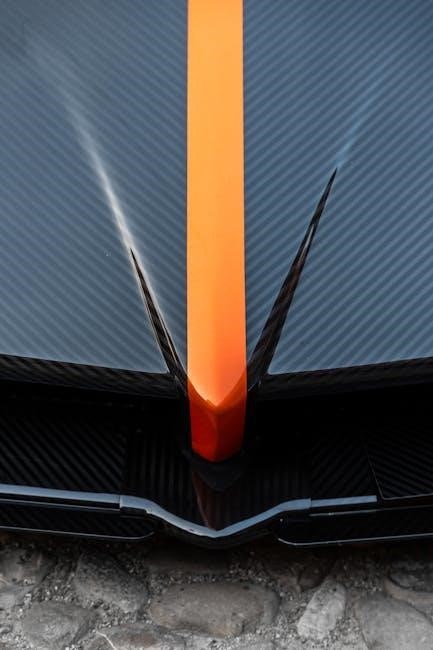
Sanding molded carbon fiber presents unique challenges due to potential variations in resin distribution and part geometry․ Initial assessment is crucial to identify imperfections or areas requiring more aggressive sanding․ Consistent pressure and block usage are essential to avoid uneven material removal․
Post-sanding CHN analysis confirms resin-to-fiber ratios remain within acceptable limits, ensuring structural integrity isn’t compromised․ Careful technique minimizes fiber damage and maintains the part’s intended performance characteristics․
Sanding Carbon Fiber for Automotive Applications
Automotive carbon fiber components demand exceptional surface finish for paint adhesion and aesthetic appeal․ Sanding must remove molding imperfections while preserving fiber integrity․ CHN analysis verifies consistent resin content post-sanding, crucial for structural performance․
Techniques prioritize swirl mark prevention and uniform material removal․ Proper dust extraction is vital, as contamination impacts paint quality․ Achieving a flawless finish reduces cycle times in automotive manufacturing processes․
Sanding Carbon Fiber for Aerospace Applications
Aerospace carbon fiber parts require meticulous sanding due to stringent safety and performance standards․ CHN analysis confirms resin-to-fiber ratios haven’t been compromised during surface preparation, ensuring structural integrity․ Precision is paramount; imperfections can lead to catastrophic failure․

Techniques focus on maintaining tight tolerances and eliminating any surface flaws․ Dust control is critical to prevent contamination and maintain material properties․ Accurate sanding streamlines component development․
Choosing the Right Sanding Lubricant
Selecting a sanding lubricant significantly impacts the final finish and prevents carbon fiber dust adhesion․ Water-based lubricants are preferred for wet sanding, minimizing airborne particles and heat buildup․ Specialized carbon fiber sanding compounds offer superior results, reducing swirl marks․
Lubricants aid in CHN analysis accuracy by preventing surface contamination․ Consider the resin system; some require specific lubricants for optimal performance․ Proper lubrication extends sandpaper life and improves efficiency․
Environmental Considerations
Carbon fiber sanding generates fine dust, posing environmental and health risks․ Proper dust extraction systems are crucial, alongside safe disposal methods to prevent contamination․ Consider the lifecycle impact of sanding materials, opting for eco-friendly alternatives when possible․
CHN analysis informs material composition, aiding responsible sourcing․ Minimizing waste through efficient sanding techniques reduces environmental footprint․ Adhering to local regulations regarding composite dust disposal is essential for sustainability․
Cost Analysis of Sanding Materials
Sanding carbon fiber involves varied expenses, from sandpaper grits (80-2000+) to power tools like DA and orbital sanders․ Dust extraction systems represent a significant upfront investment, alongside respiratory and eye protection․
Analyzing CHN composition can optimize material usage, reducing waste and costs․ Labor costs depend on project complexity and sanding precision needed․ Considering long-term durability and finish quality justifies material investments․
Future Trends in Carbon Fiber Sanding
Advancements in carbon fiber sanding will likely focus on automated systems and robotic solutions, minimizing human error and increasing efficiency․ Improved dust extraction technologies, coupled with real-time CHN analysis for quality control, are anticipated․
Expect smarter sandpaper with adaptive grit and self-cleaning properties․ Sustainable sanding materials and eco-friendly disposal methods will gain prominence, aligning with environmental concerns and reducing overall project costs․