
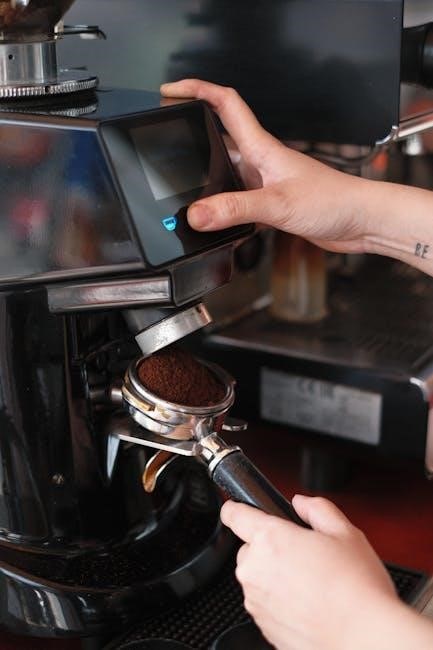
Farberware Espresso Machine Manual: A Comprehensive Guide
This manual expertly guides users through every aspect of their Farberware espresso machine, ensuring optimal performance and longevity, alongside retirement planning resources.
Welcome to the world of rich, flavorful espresso! Your new Farberware Espresso Machine is designed to bring café-quality beverages directly into your home. This machine combines ease of use with robust functionality, allowing both novice and experienced baristas to craft their perfect cup.
Before your first brew, please take the time to thoroughly read this manual. Understanding the machine’s features and proper operation will ensure years of satisfying use. Beyond the machine itself, remember resources like CARSAT Aquitaine and Agirc-Arrco offer valuable personal financial planning tools, much like this manual guides your espresso journey.
This guide will walk you through setup, brewing techniques, maintenance, and troubleshooting, empowering you to fully enjoy your Farberware experience. Prepare to unlock a world of coffee possibilities!
Understanding the Components
Familiarizing yourself with the parts of your Farberware Espresso Machine is crucial for optimal operation. The core of the system is the high-pressure pump, responsible for forcing hot water through the coffee grounds. The boiler heats the water to the ideal brewing temperature, while the portafilter securely holds the coffee.
Key components also include the water reservoir, drip tray, and various buttons/controls for power, brewing, and steam functions. Just as understanding your retirement account (like those managed by CARSAT) requires knowing its parts, understanding your espresso machine ensures efficient use.
This machine, like resources from AGIRC-ARRCO, is designed for user-friendliness. Each component plays a vital role in delivering a perfect espresso, and this section will detail their functions.
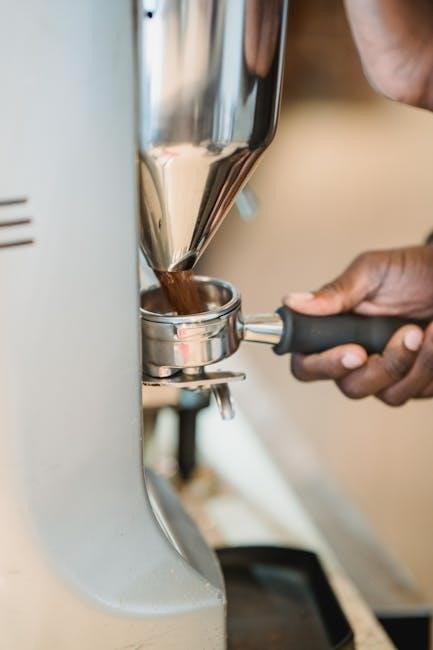
Espresso Machine Parts Overview
Let’s detail the essential parts of your Farberware Espresso Machine. The Power Button initiates operation, similar to accessing your online retirement portal. The Water Reservoir, easily removable, holds the water supply. The Portafilter, with its filter basket, holds the ground coffee. The Brew Head is where the portafilter locks in for brewing.
The Steam Wand allows for milk frothing, while the Drip Tray catches spills. Control Knobs/Buttons manage brewing and steam functions. Like understanding CARSAT’s services, knowing these parts is key. The Housing provides structural support, and the Base ensures stability.
Regularly inspecting these components, much like reviewing your Info Retraite details, ensures optimal performance and longevity of your machine.
Accessories Included
Your Farberware Espresso Machine package includes several helpful accessories. You’ll find a Portafilter, crucial for holding and tamping coffee grounds, akin to managing your Agirc-Arrco account. A Single-Shot Filter Basket and a Double-Shot Filter Basket offer brewing versatility.
A Measuring Scoop ensures accurate coffee dosing, while a Tamping Tool helps compress the grounds for optimal extraction. Some models include a Milk Frothing Pitcher for creating lattes and cappuccinos. Like the personalized services of Assurance Retraite, these tools enhance your experience.
A cleaning brush and pin are provided for maintenance. Refer to the manual for specific accessory details, ensuring you maximize your machine’s potential, just as you would with your retirement planning.
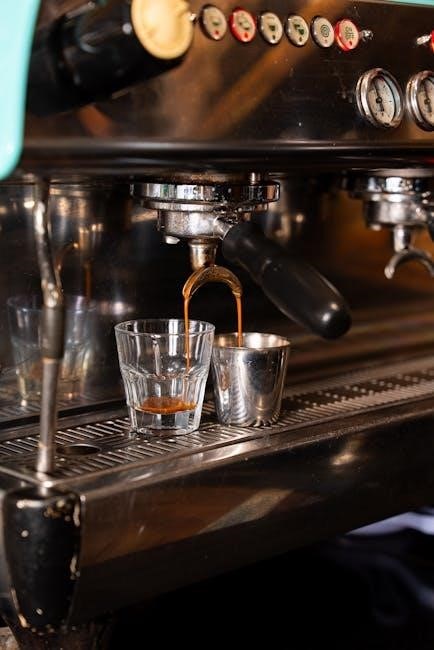
Setting Up Your Farberware Espresso Machine
Proper setup is vital for optimal espresso extraction; carefully follow these instructions to prepare your machine for brewing, mirroring retirement account setup.
Initial Setup and Preparation
Before your first delightful espresso, a few crucial steps are necessary. Carefully unpack your Farberware espresso machine and remove all packaging materials. Inspect the machine for any visible damage that may have occurred during shipping; if damage is present, contact customer support immediately.
Place the machine on a stable, level surface near a grounded electrical outlet. Ensure there’s sufficient space around the machine for ventilation and easy access to all components. Before plugging it in, thoroughly wipe down the exterior with a damp cloth.
Familiarize yourself with the machine’s various parts – portafilter, drip tray, water reservoir – as detailed in the components overview. This initial preparation, much like planning for retirement, lays the foundation for a smooth and enjoyable experience. A quick rinse of removable parts with warm water is also recommended.
Water Reservoir and Filter
Maintaining water quality is paramount for exceptional espresso and machine longevity. Your Farberware machine features a removable water reservoir, designed for easy filling and cleaning. Always use fresh, filtered water to prevent scale buildup, similar to safeguarding your retirement funds.
The included water filter significantly enhances the taste of your espresso by reducing chlorine and other impurities. Before initial use, and regularly thereafter, soak the filter in cold water for five minutes to activate its filtering capabilities.
Insert the filter into its designated compartment within the water reservoir. Consistent filter use, like consistent retirement contributions, yields long-term benefits. Replace the filter every two months, or more frequently if your water is particularly hard, ensuring consistently delicious espresso.
Filling the Water Reservoir
Properly filling the water reservoir is crucial for consistent espresso brewing. Begin by removing the reservoir from the machine; it’s typically located at the rear or side. Ensure the machine is switched off and unplugged before handling the reservoir, prioritizing safety like securing your future retirement.
Fill the reservoir with fresh, filtered water up to the ‘MAX’ fill line indicated; Avoid overfilling, as this can cause leaks and potentially damage the machine. Never use distilled water, as it lacks the minerals necessary for optimal brewing.
Carefully reinsert the reservoir back into the machine, ensuring it’s securely seated. A properly seated reservoir is essential for preventing water from spilling during operation. Regularly check the water level before each use, maintaining a consistent supply for uninterrupted espresso enjoyment, much like a steady income stream.
Using the Water Filter
Your Farberware espresso machine may include a water filter to enhance the taste of your espresso and prolong the machine’s lifespan. The filter reduces chlorine, calcium, and other impurities found in tap water, similar to planning for a secure retirement by mitigating risks.
Before first use, it’s recommended to soak the filter in cold water for approximately 5-10 minutes. This removes any loose carbon particles. Insert the filter into its designated holder within the water reservoir, following the diagram in the manual.
Replace the water filter regularly – typically every 2-3 months, or after approximately 60 reservoirs of water, depending on your water hardness. Consistent filter replacement ensures optimal water quality and prevents scale buildup, safeguarding your machine’s performance and your future financial well-being.
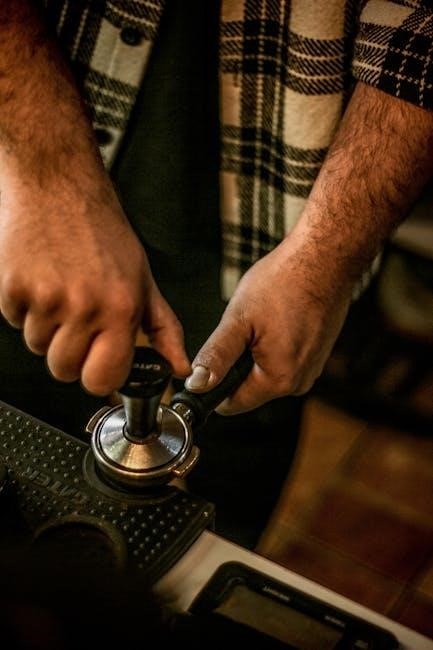
Brewing Espresso with Your Farberware Machine
Achieve barista-quality espresso at home by mastering the art of grinding, tamping, and brewing, mirroring careful planning for a comfortable retirement.
Grinding Coffee Beans
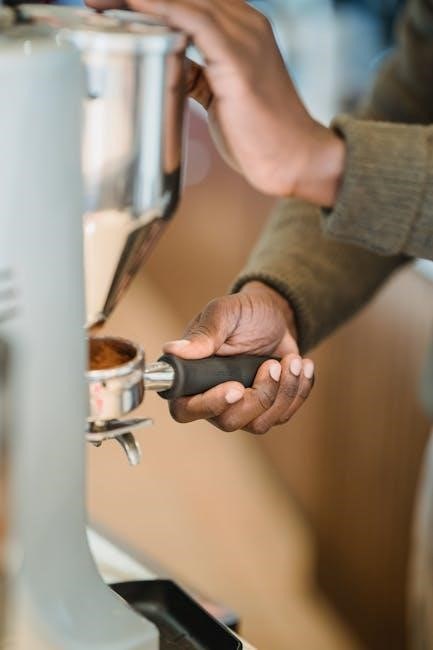
The quality of your espresso heavily relies on the fineness and consistency of your coffee grounds. For optimal results with your Farberware espresso machine, a burr grinder is highly recommended over a blade grinder. Burr grinders produce a uniform grind size, crucial for even extraction.
Aim for a fine grind, similar in texture to table salt. If the grind is too coarse, the water will pass through too quickly, resulting in weak, under-extracted espresso. Conversely, a grind that’s too fine will impede water flow, leading to bitter, over-extracted espresso.
Experiment with different grind settings to find the sweet spot for your preferred coffee beans and taste. Freshly ground beans are always best, as they retain more flavor and aroma. Store your beans in an airtight container away from light, heat, and moisture to preserve their freshness. Remember, consistent grinding is key to consistent espresso!
Tamping the Coffee Grounds
Proper tamping is essential for creating a dense, even puck of coffee grounds, ensuring consistent water flow during extraction with your Farberware machine. After distributing the grounds evenly in the portafilter basket, use a tamper that fits the basket’s diameter.
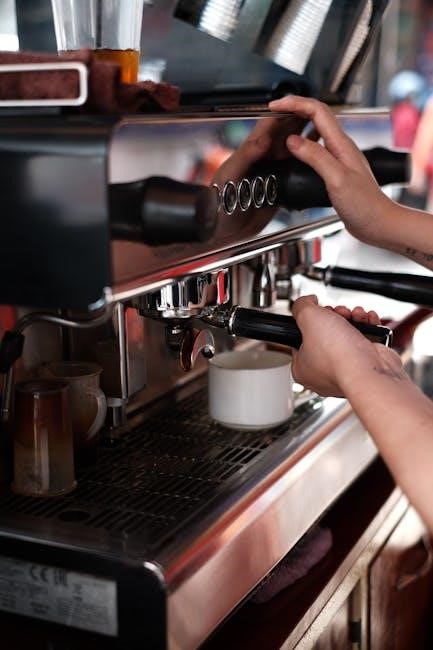
Apply approximately 30 pounds of pressure, pressing straight down with a level motion. Avoid angling the tamper, as this can create uneven extraction. A consistent tamp is more important than excessive force.
After tamping, gently polish the surface of the puck by twisting the tamper slightly. This helps to eliminate any loose grounds and create a smooth, even surface. A well-tamped puck will resist the water pressure, allowing for a rich, flavorful espresso shot. Practice makes perfect – consistent tamping will significantly improve your espresso quality!
Brewing a Single Espresso Shot
To brew a single espresso shot with your Farberware machine, ensure the portafilter is securely locked into the brew head. Select the single-shot brewing option on the machine – consult your control panel for specific button locations. Initiate the brewing process and observe the extraction.
A properly extracted shot should begin with a dark, syrupy flow, gradually lightening to a blonde color. The ideal extraction time is typically between 25-30 seconds, yielding approximately 1 ounce of espresso.
Monitor the shot closely; stopping the extraction prematurely will result in an under-extracted, sour shot, while allowing it to run too long will produce a bitter, over-extracted shot. Experiment to find your preferred extraction time and flavor profile.
Brewing a Double Espresso Shot
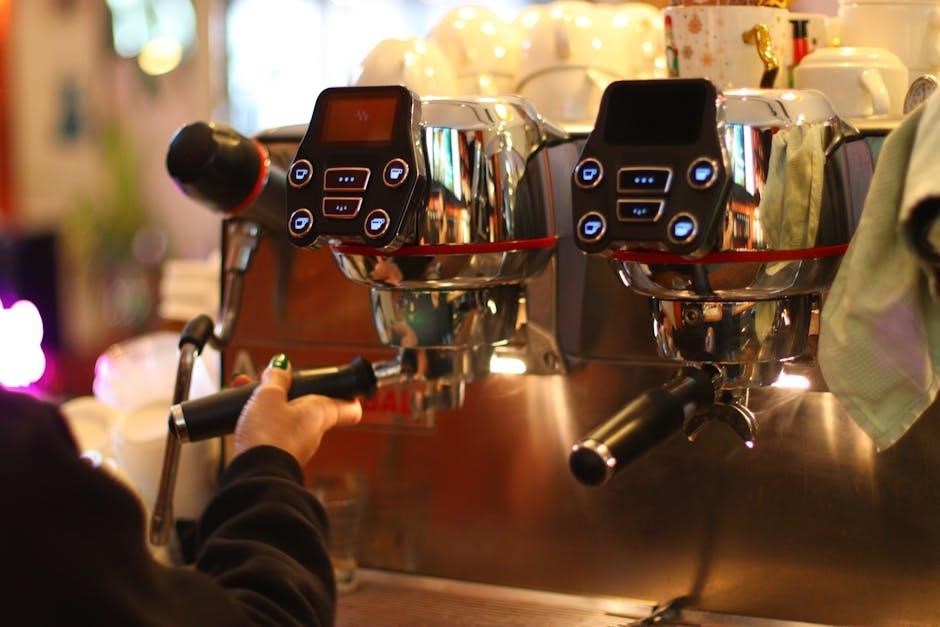
For a double espresso shot, utilize the double-portafilter basket and ensure it’s filled with the appropriate amount of finely-ground coffee – typically around 14-18 grams. Tamp the grounds evenly and firmly, applying consistent pressure for a level puck. Securely lock the portafilter into the brew head of your Farberware machine.
Select the double-shot brewing option, if available, or manually control the brewing time. A double shot should extract in approximately 25-30 seconds, yielding around 2 ounces of espresso. Observe the extraction process, looking for the characteristic dark syrup transitioning to a lighter blonde.
Adjust grind size and tamping pressure if the extraction time deviates significantly from this range, aiming for a balanced and flavorful double espresso.
Maintenance and Cleaning
Regular cleaning preserves your Farberware espresso machine’s performance and extends its lifespan, mirroring the importance of consistent retirement fund management.
Daily Cleaning Procedures
After each use, promptly discard used coffee grounds from the portafilter. Rinse the portafilter thoroughly with warm water, ensuring no residue remains. Wipe down the exterior of the espresso machine with a damp cloth to remove any spills or splatters. Pay close attention to the drip tray, emptying and cleaning it daily to prevent buildup and maintain hygiene. The steam wand should be purged after each use, and wiped clean with a damp cloth to remove milk residue. Regularly inspect and clean the shower screen to ensure consistent espresso extraction. These simple daily habits, much like consistent financial planning, contribute to the long-term health and performance of your Farberware espresso machine, ensuring years of enjoyable use. Remember to always unplug the machine before any cleaning process.
Descaling the Machine
Descaling removes mineral buildup that can affect performance and taste. Use a commercially available descaling solution specifically designed for espresso machines, following the product instructions carefully. Regular descaling, similar to monitoring your retirement accounts, is crucial for longevity. The frequency depends on water hardness – typically every 3-6 months. Begin by mixing the descaling solution with water in the reservoir. Run the machine through a full brewing cycle without coffee. Repeat with fresh water several times to thoroughly rinse away any remaining descaling solution. Neglecting descaling can lead to reduced flow, increased noise, and ultimately, machine failure. Always consult your Farberware manual for specific descaling recommendations and safety precautions.
Descaling Frequency
Determining descaling frequency hinges on your water hardness. Soft water areas may require descaling only every 6 months, while hard water areas necessitate it every 3 months, much like regularly checking your retirement portfolio. Observe your machine for signs of buildup: reduced water flow, longer brewing times, or unusual noises. These indicate mineral deposits are accumulating. If you notice these, descale immediately. Consistent use also impacts frequency; daily users should descale more often than occasional users. A good rule of thumb is to descale whenever the machine prompts you, if equipped with a descaling indicator. Prioritize regular maintenance for optimal performance and longevity, mirroring proactive financial planning.
Descaling Process
Begin by emptying the water reservoir and filling it with a descaling solution, following the manufacturer’s instructions – similar to diversifying your retirement investments. Run the machine through a full brewing cycle (without coffee) to circulate the solution. Repeat this process several times. Next, rinse the reservoir thoroughly with fresh water and repeat the brewing cycle multiple times with only water to eliminate any residual descaling solution. Ensure all components, like the portafilter, are also rinsed. Monitor the water clarity; continue rinsing until the water runs clear. This process removes mineral buildup, restoring optimal performance, just as regular portfolio reviews ensure financial health.
Cleaning the Portafilter and Accessories
After each use, immediately rinse the portafilter under warm water to remove coffee grounds and oils – a proactive step like managing your retirement account. Disassemble all components, including the filter basket and any spouts, for thorough cleaning. Use a soft brush or sponge and mild detergent to scrub away residue. Pay close attention to small holes and crevices to prevent clogging. Ensure all parts are completely dry before reassembling. Regularly inspect the filter basket for damage or wear. Proper cleaning extends the life of your accessories, mirroring the benefits of long-term financial planning and consistent savings.
Troubleshooting Common Issues
Addressing problems like the machine not turning on, brewing failures, or leaks ensures continued enjoyment, similar to navigating retirement benefit complexities.
Machine Not Turning On
If your Farberware espresso machine fails to power on, begin with the basics: verify the power cord is securely plugged into both the machine and a functioning electrical outlet. Test the outlet with another device to confirm it’s delivering power. Check the machine’s power switch; ensure it’s fully engaged.
Examine the circuit breaker or fuse box – a tripped breaker or blown fuse could be the culprit. Reset the breaker or replace the fuse if necessary. If these steps don’t resolve the issue, there might be an internal fault. Do not attempt to disassemble the machine yourself; contact Farberware customer support or a qualified appliance repair technician for assistance. Ignoring electrical issues can be dangerous, much like overlooking crucial retirement planning steps.
Remember to consult the full manual for specific safety guidelines and warranty information;
Espresso Not Brewing Properly
If your Farberware espresso machine isn’t brewing correctly, several factors could be at play. First, ensure your coffee grounds are appropriately ground – too fine and they’ll clog, too coarse and the water will pass through too quickly. Proper tamping pressure is also crucial; inconsistent tamping leads to uneven extraction.
Check the water reservoir level; insufficient water will halt the brewing process. A clogged portafilter or shower screen can restrict water flow. Descale the machine regularly, as mineral buildup impedes performance, similar to how neglecting retirement contributions impacts future security. Verify the machine is properly primed after descaling.
Experiment with grind size and tamping pressure to achieve the desired espresso quality. Refer to the manual’s troubleshooting section for detailed guidance.
Leaking Water

Water leakage from your Farberware espresso machine requires immediate attention. Often, this stems from a loose portafilter – ensure it’s securely locked into the group head. Inspect the water reservoir for cracks or improper seating; a faulty reservoir can cause consistent drips, much like unforeseen expenses impacting retirement funds.
Check the drip tray; an overflowing tray isn’t the source, but indicates excess water. Examine the seals around the water tank and pump connections for wear or damage. A clogged drain line can also cause backflow and leakage.
Descaling the machine regularly prevents buildup that can compromise seals and lead to leaks. If leakage persists after these checks, consult the manual or contact customer support for assistance. Do not operate the machine with visible leaks;
Error Codes and Their Meanings
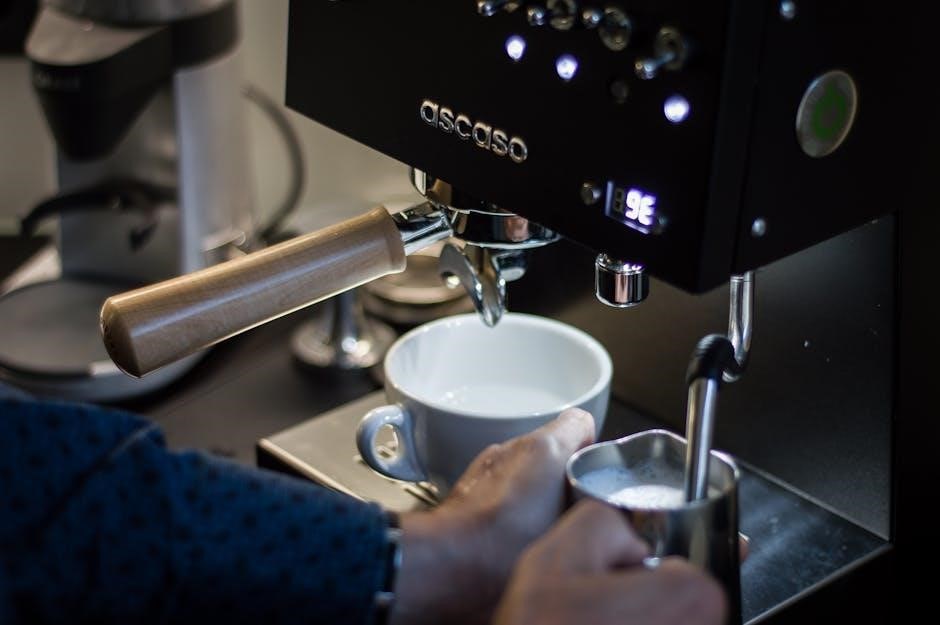
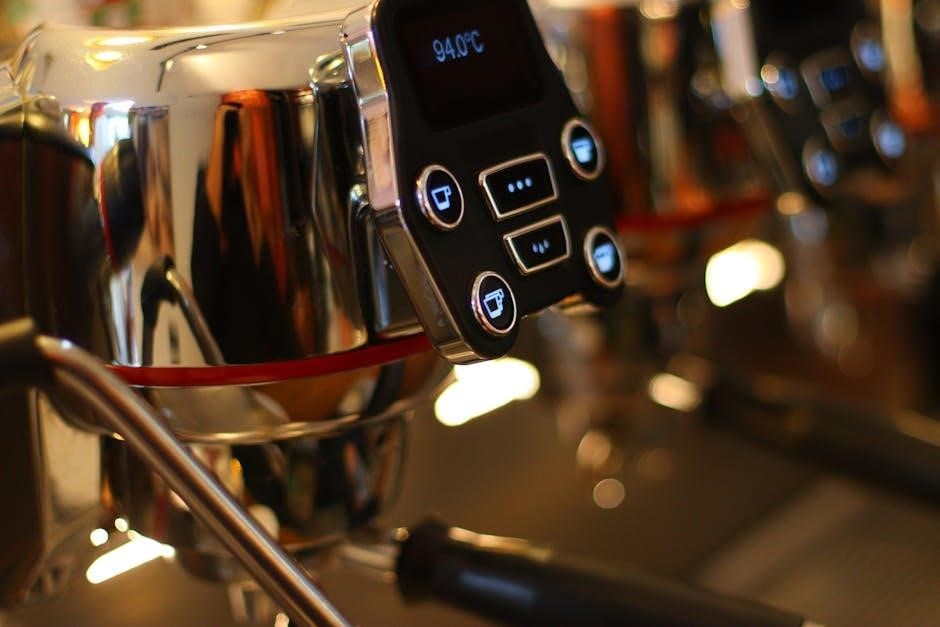
Your Farberware espresso machine utilizes error codes to diagnose issues, similar to how retirement systems track contributions. Understanding these codes is crucial for efficient troubleshooting. A “LOW WATER” code indicates the reservoir needs refilling – a simple fix, like ensuring sufficient retirement savings.
“OVERHEAT” signals the machine needs to cool down; unplug and allow it to rest. A “PUMP ERROR” suggests a problem with the pump, potentially requiring professional repair. “DESSCALE” prompts you to initiate the descaling process, vital for machine longevity.
Consult the full error code list in your manual for a comprehensive explanation of each code and recommended solutions. Ignoring error codes can lead to further damage. Treat these alerts as important signals, just as monitoring your retirement account is essential.